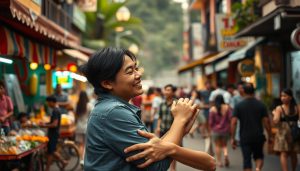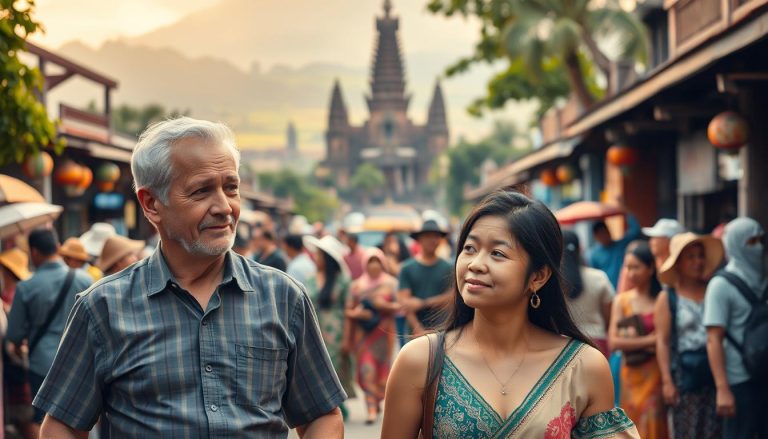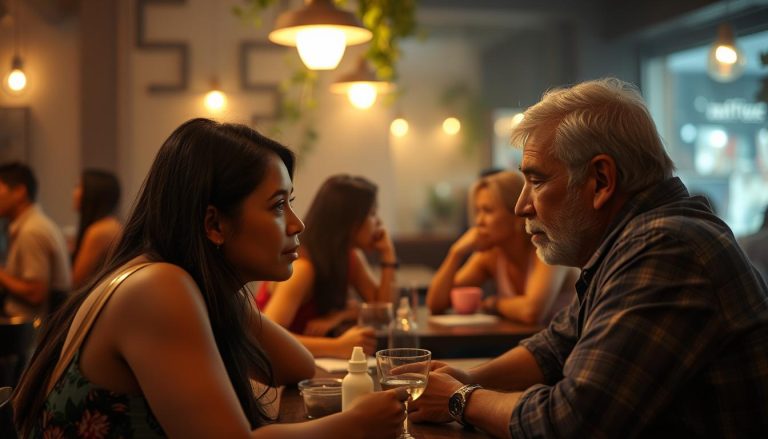
So, you’re hitting up the Philippines for an epic adventure? Get ready to dive deep into a culture where family isn’t just a word, it’s everything. Understanding the local social scene is your golden ticket to truly connect, make awesome new friends, and unlock experiences beyond the typical tourist trail.
Navigating cultural differences can be an adventure in itself, and being informed is the first step. Think of this as your cheat sheet to getting the customs and traditions of socializing with locals down pat!
Key Takeaways
- Get why family is such a huge deal in Filipino life.
- Spot the subtle cues in local social customs.
- Bridge the gap between your home culture and the vibrant Filipino scene.
- Be a respectful legend and adapt to local traditions.
- Forge epic connections based on mutual understanding and high-fives.
Understanding Filipino Family Culture
Forget everything you thought you knew about family because in the Philippines, it’s next level! Family isn’t just important; it’s the super glue holding society together. Knowing this secret ingredient is essential when you’re out exploring, chatting with locals, and trying to understand how things roll.
The Central Role of Family in Filipino Society
Filipino identity is basically built on family. People often put family first, even over their own plans. This super-strong bond shapes everything – how folks interact, how they welcome guests, and yeah, what the family thinks totally matters when you’re making new local friends and soaking in the cultural expectations.
Extended Family Dynamics
Unlike some places, Filipinos roll with their entire extended family – grandparents, aunts, uncles, cousins, the whole crew often live close by or make decisions together. When you make a local friend, chances are you’ll eventually be hanging out with their whole amazing squad!
Generational Hierarchies and Respect
Respect for elders is a non-negotiable here. Older family members command major respect and have a lot of influence. This totally shapes how locals interact and how tight their social circles are. Pro-tip: a little respect goes a long way!
The Significance of Family Expectations for Travelers
Want to really get into the local groove? Then understanding family expectations is clutch. It’s the beating heart of life here, not just a support system.
When you’re chilling with new local friends, getting a handle on their family’s expectations is crucial for building a solid, long-lasting travel friendship.
How Family Shapes Social Decisions
Yup, family often has a say in social plans. Family members often give advice based on their experiences and values – could be a quick check-in or a deep chat about who their crew is hanging out with. So, be ready to chat with your friends’ family and show you respect their take on your friendship. It’s all part of the adventure!
The Collective vs. Individual Approach to Socializing
Filipino culture leans into the “we” not just “me” when it comes to social stuff. Family needs and opinions often come first. This might be a bit different from what you’re used to, so respect this collective vibe – it seriously impacts group dynamics when you’re traveling together.
Why Family Approval Matters
Getting the seal of approval from your local friends’ family? That’s when you know you’re truly in! It means you’re welcome, supported, and ready to unlock even deeper experiences. Show respect, understand their values, and bring positive energy – that’s your ticket to being part of the crew and crushing any cross-cultural travel challenges.
Traditional Values in Filipino Social Culture
Ready to meet awesome locals? You’ll want to learn about their traditional values to build super strong, respectful bonds.
Respect and Deference to Elders
Seriously, elders are royalty here. When you meet your friend’s family, showing respect is key. Use titles like “Lolo” (grandpa) or “Lola” (grandma) for grandparents, and “Tito” (uncle) or “Tita” (aunt) for older relatives or family friends. It’s a sign of ultimate respect!
Conservative Approaches to Socializing
Social hangouts can be a bit more chill and conservative, especially with older generations around. Think less loud displays, more thoughtful conversations. Things often move at a slightly slower, more reflective pace – perfect for really getting to know people!
Religious Influences on Local Customs
The Philippines is mostly Catholic, and religion seriously shapes tons of local customs. Knowing this can help you blend in like a pro.
Catholic Traditions
Catholicism is woven into daily life. Many locals grow up with strong Catholic values, influencing everything from their free time to how they view visitors.
Other Religious Considerations
While Catholicism is big, other religions are also important. Always be cool and respect your local friends’ religious backgrounds.
| Traditional Value | Description | Impact on Socializing |
|---|---|---|
| Respect for Elders | Deep-seated respect for older family members. | Expectation to show deference to their family. |
| Conservative Manners | Slow and cautious approach to new friendships. | Less public displays, slower pace of friendship building. |
| Religious Influence | Strong Catholic values and other religious beliefs. | Influences social schedules and expectations. |
Respecting these traditional values can help you build a stronger bond with your local crew. It’s all about embracing the unique vibe!
Meeting the Parents: The First Critical Step
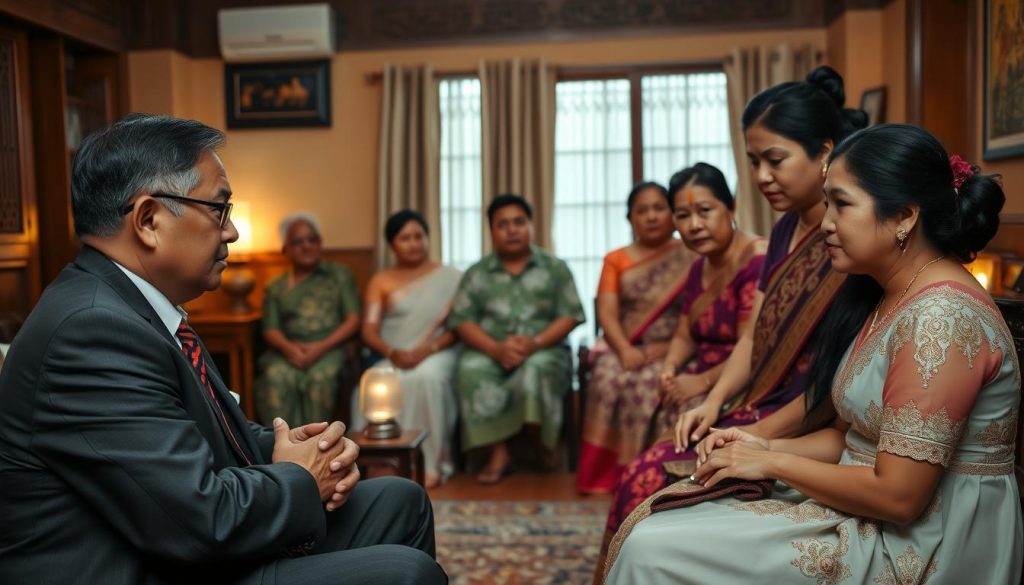
So, your local friend wants you to meet their parents? HUGE deal! This is a major milestone in your travel journey. Understanding local social customs and totally nailing this meeting is key for an epic trip and awesome new friendships.
Timing and Protocol
When’s the right time? Locals usually hang out a bit and get to know each other before bringing anyone home. Chat with your friend about the perfect moment – make sure you’re both on the same page and respect their family’s timeline.
Gift-Giving Customs
Bringing a small gift is a super thoughtful gesture! Think fruits, local sweets, or a “pasalubong” (souvenir from your travels) from your home country or previous stop. Wrap it nicely to show you put thought into it!
Making a Positive First Impression
Your first impression? It’s everything! What you wear, how you act, and what you say all matter big time.
Dress Code and Appearance
Keep it modest and neat. Nothing too wild or sloppy – you want to show respect, not start a fashion riot.
Conversation Topics to Embrace and Avoid
Chat politely, show genuine interest in their family and local culture. Steer clear of anything controversial or potentially offensive. Keep it positive and curious!
Ace these tips, and you’ll make an amazing impression, setting the stage for meaningful connections.
The “Pamanhikan” Tradition: A Deep Dive into Filipino Hospitality
Ever heard of “Pamanhikan”? This tradition is a super meaningful way to show deep respect for your host’s family. It’s a formal visit to the family home, a significant step that marks a deep level of trust and welcome into the family circle. While it’s traditionally linked to more serious family introductions, understanding its significance shows you’re committed to respecting and appreciating Filipino culture and the profound connections you’re building.
Practical Travel Tips for the Philippines
Ready to hit the road? Here are some quick tips to make your adventure even smoother:
- Currency: The local currency is the Philippine Peso (PHP). For budget travelers, plan around ₱1,500-2,500 (approx. $25-45 USD) per day for hostels, local food, and getting around.
- Best Time to Visit: Aim for December to May, which is the dry season. Perfect for island hopping, beach chilling, and exploring without worrying about heavy rains.
- Getting Around: Embrace the chaos and fun! Hop on a vibrant Jeepney for city routes, grab a tricycle for shorter distances, use Grab (the popular rideshare app) in major cities, or catch a bus for longer hauls between provinces.
- Quick Tagalog Phrases: Learning a few local words is always a hit! Try “Salamat” (Thank you), “Kumusta?” (How are you?), “Magandang umaga/hapon/gabi” (Good morning/afternoon/evening), and remember “Po/Opo” (polite particles used when speaking to elders or superiors).