Cambodia’s social landscape is a fascinating blend of ancient traditions and evolving modern energy. For young travelers interested in exploring the local Cambodian culture, understanding this unique cultural tapestry is essential for building memorable connections. Why do Cambodians value patience and sincerity over grand gestures? How can you navigate local expectations and Buddhist influences that shape social dynamics? This comprehensive guide covers Cambodia’s social scene for young travelers and provides you with the cultural insights needed to approach new friendships with respect and awareness, which is unlike other Southeast Asia travel culture.
Family Expectations in Cambodian Social Culture
In Cambodian social culture, family plays a central and influential role that cannot be overstated. Understanding these dynamics is crucial for any young traveler hoping to build a successful and meaningful experience with locals in Cambodia.
Community and Respect
Unlike some Western travel cultures where travelers often make independent decisions, Cambodian social interactions typically involve a deep respect for family and elders. Approval isn’t just a formality—it’s a fundamental part of the community fabric, especially in more traditional families and rural areas like Siem Reap.
While social boundaries have become more relaxed in urban centers like Phnom Penh, family and elders still maintain significant influence over the younger generation. Locals will rarely engage in activities that their family strongly opposes, as family harmony is prioritized over individual desires.
Hospitality and Generosity
Generosity remains an important cultural practice in Cambodia, though its expression varies between urban and rural areas. This tradition often involves the host going above and beyond to provide for guests, symbolizing their hospitality and pride in their culture.
For young travelers, understanding that this isn’t simply about material goods but rather a sign of warmth and welcome is essential. The depth of hospitality varies widely depending on the family’s background and regional customs. In more traditional settings, be prepared for a very welcoming environment where the community looks out for its visitors.
“A host treats guests with the utmost care, ensuring they are fed and well-accommodated. It is a point of pride to show the best of Cambodian culture to those visiting from abroad.”
– Traditional Cambodian custom
Meeting the Local Community
When social bonds become deeper, meeting a local’s family or friend group is a significant milestone. This introduction should be approached with careful preparation and respect. Bringing small gifts from your home country is customary, and showing deference to elders demonstrates good character.
During social visits, young travelers should be prepared to answer questions about their background, travel plans, and intentions for their trip. Family members may be direct about these matters, as they prioritize the safety and well-being of their loved ones above all else.
Buddhism and Traditional Values in Social Life
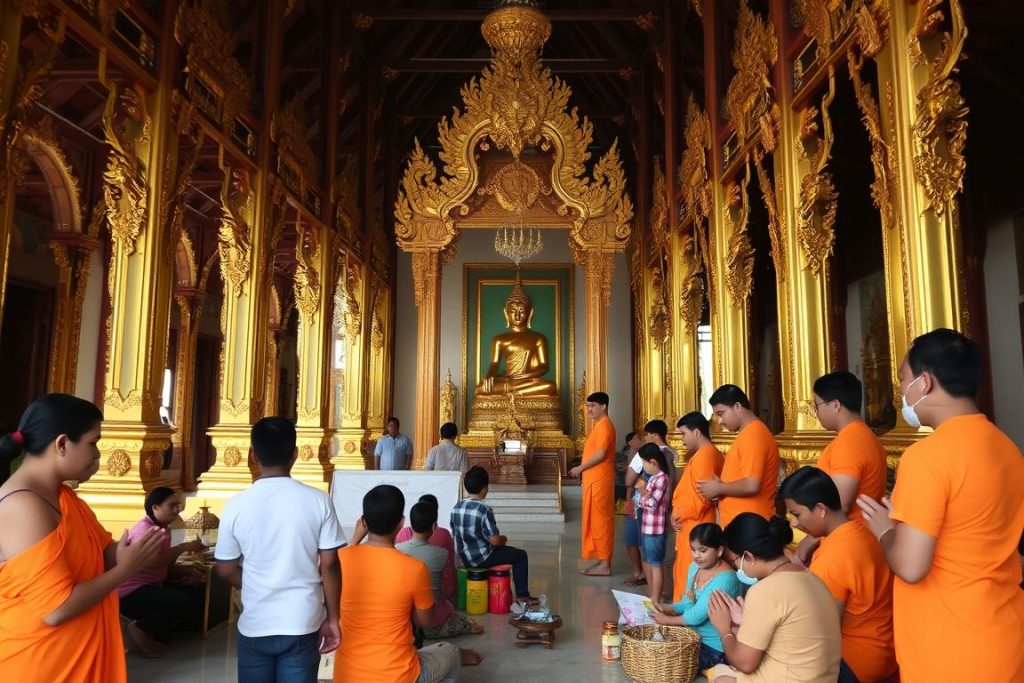
Buddhism permeates every aspect of Cambodian society, including social outings and friendships. Theravada Buddhism, practiced by approximately 95% of Cambodians, shapes cultural values and expectations in profound ways.
Buddhist Principles in Daily Life
Several Buddhist concepts directly influence Cambodian social culture:
- Karma: The belief that actions have consequences extends to friendships. Cambodians often view social success or failure as reflections of karma from current or past lives.
- Modesty: Physical displays of affection are traditionally limited in public spaces, especially near religious sites or elders.
- Respect: Hierarchical respect is fundamental, with age being highly venerated. Older locals are naturally accorded respect.
- Merit-making: Participating in religious activities or community volunteering is viewed positively and can strengthen bonds with locals.
Social Roles and Expectations
Traditional Cambodian values establish distinct social roles that continue to influence modern interactions. Individuals are often expected to embody qualities of gentleness, kindness, and devotion to their community. The concept of the “virtuous member of society” remains influential.
For young travelers, it’s important to recognize that while these traditional values exist, many educated urban Cambodians balance them with more progressive views. Assuming all locals fit traditional stereotypes would be a mistake.
Cultural Insight: Cambodians often value the preservation of one’s reputation. This metaphor reflects traditional expectations about grace, patience, and keeping a cool head in social situations.
Patience and Long-Term Thinking
Buddhism emphasizes patience and a long-term perspective—qualities that translate directly to social expectations. Cambodian social culture typically values steady, consistent friendship over intense but unstable connections.
For young travelers accustomed to faster-paced environments, adjusting to this rhythm requires patience. Building trust gradually through consistent actions rather than loud, flashy behavior aligns better with Cambodian cultural values.
Attitudes Toward Young Travelers

Cambodian society has complex and nuanced views toward young travelers. Understanding these perspectives can help navigate potential challenges and misconceptions.
Cultural Perceptions
Youth is generally viewed with curiosity and friendliness. This cultural context means that young travelers may find locals very welcoming and eager to share their stories. However, travelers should always be mindful of local customs to ensure their behavior is respectful.
These perceptions vary significantly between urban and rural areas, with more cosmopolitan cities like Phnom Penh showing great enthusiasm for international visitors and cultural exchange.
Economic Considerations
Economic factors inevitably influence travel experiences. Cambodia remains a developing nation, and the support that tourism brings to local economies is a reality that should be acknowledged by spending ethically and supporting local businesses.
While some interactions can be seen through a lens of convenience, many young Cambodians seek international friends for a complex mix of reasons including cultural exchange, shared hobbies, and mutual curiosity—alongside practical considerations about practicing English and learning about the world.
Important Note: Treating local friendships as purely transactional disrespects Cambodian culture. Successful social experiences balance practical matters with genuine human connection.
Respect as the Foundation
The most successful experiences in Cambodia are built on a foundation of mutual respect and cultural appreciation. Travelers who take time to learn about Cambodian culture, perhaps study basic Khmer phrases, and show genuine interest in the local history and way of life tend to be viewed more favorably by the communities they visit.
Demonstrating respect extends to how you present yourself publicly. Avoiding behaviors that could be interpreted as careless or rude is essential for building a positive reputation as a traveler.
Ready to Meet People in Cambodia?
Now that you understand the cultural context, take the next step in your adventure. Our recommended travel tools connect young explorers with communities and social groups in Cambodia looking for fun, genuine, and memorable experiences.
Learn About Travel Apps for Cambodia
Urban vs. Rural Social Dynamics
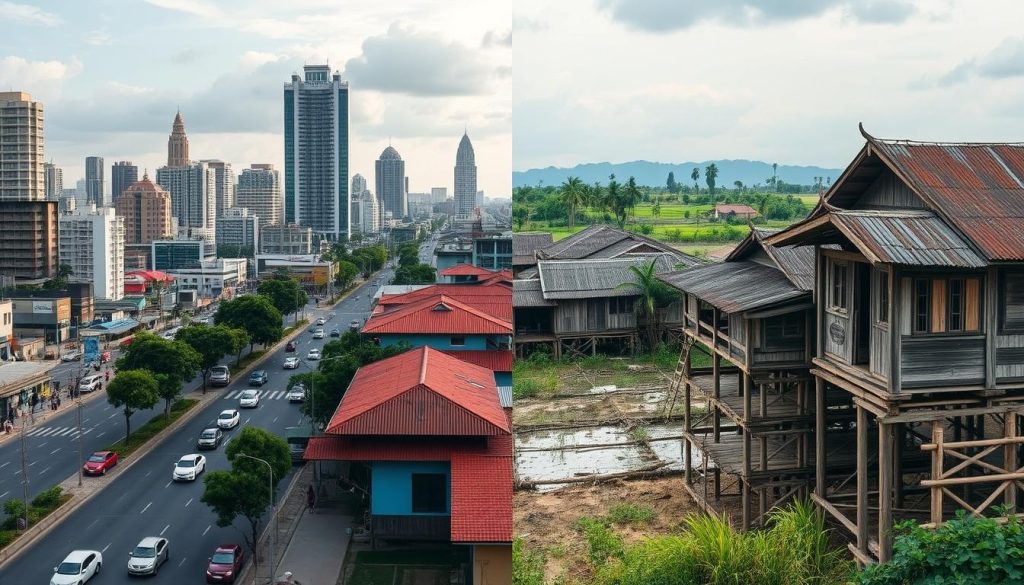
Social experiences in Cambodia vary dramatically between urban centers and rural areas. These differences reflect broader societal contrasts in education, exposure to international influences, and adherence to traditional values. You can see the differences in hostels, nightlife, and local interactions.
Socializing in Phnom Penh and Urban Centers
Cambodia’s capital and other major cities offer a more cosmopolitan environment where traditional and modern values coexist. Urban youth, particularly those in universities or early career stages, often adopt more progressive attitudes while still respecting core cultural values.
In Phnom Penh, you’ll find:
- More English speakers, facilitating easier communication
- Social apps as common tools for meeting fellow travelers and locals
- Coffee shops, bars, and rooftop hangouts as typical social spots
- Greater awareness of global trends and youth culture
- More locals open to international social circles
Urban youth may be more independent in their decision-making regarding social outings, though family opinions still carry significant weight. The pace of social interaction tends to be somewhat faster than in rural areas.
Rural Social Traditions
In Cambodia’s provinces and villages, social life remains more traditional and community-oriented. Rural areas maintain stronger connections to historical customs, with the community playing a direct role in social life.
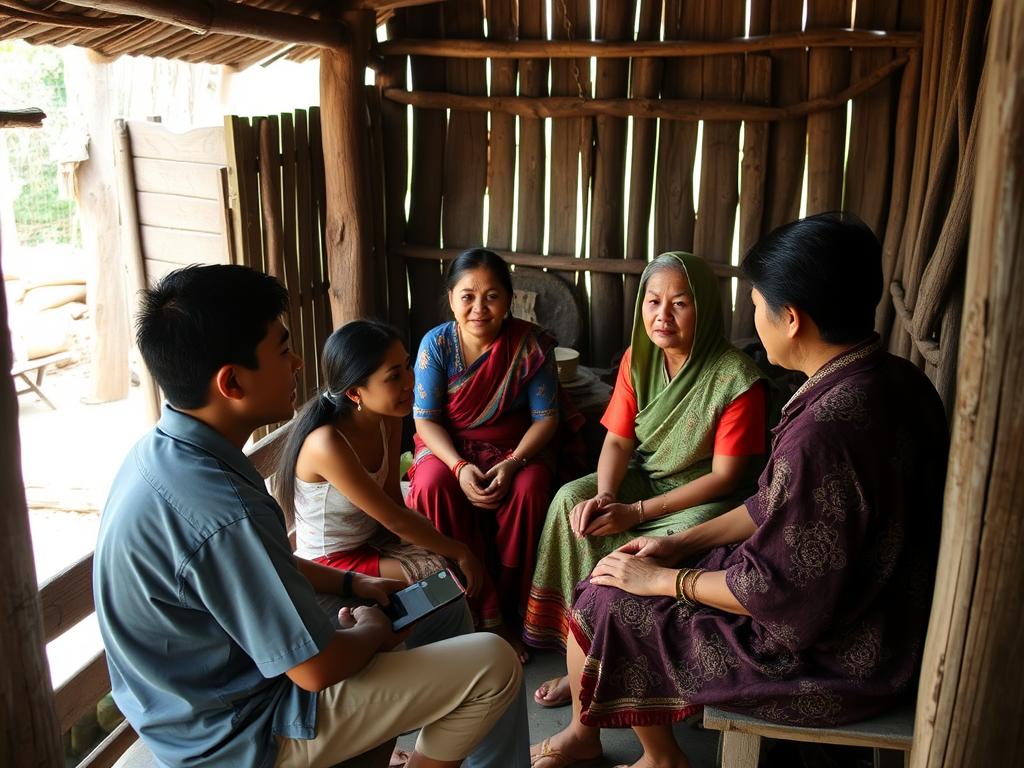
Key characteristics of rural social life include:
- Introductions often occurring through established local networks
- Frequent group outings rather than solo meetings
- Stronger adherence to traditional modesty and respectful behavior
- Community awareness of new visitors
- Greater importance placed on family and village hospitality
For young travelers interested in engaging with rural communities, patience and respect for these traditions are essential. Taking the time to understand local protocols is a necessary component of your trip.
Navigating the Differences
Understanding whether the people you meet come from an urban or rural background provides important context for their expectations. Many Cambodians in cities have rural family roots, creating a blend of traditional and modern perspectives.
Regardless of background, showing respect for Cambodian cultural values while being authentic creates the foundation for successful cross-cultural friendships.
Common Pitfalls and Cultural Mistakes to Avoid
Even with the best intentions, cultural misunderstandings can create obstacles. Being aware of common mistakes can help you navigate Cambodian culture more successfully.
Physical Contact and Public Behavior
One of the most frequent mistakes travelers make involves inappropriate physical contact in public settings. While attitudes are evolving in urban areas, Cambodia remains relatively conservative.
Cultural Mistakes to Avoid:
- Excessive physical contact in public
- Touching a person’s head, which is considered sacred in Buddhist culture
- Pointing with your index finger (use your whole hand with palm facing upward instead)
- Public displays of anger or raising your voice, which causes “loss of face”
- Being overly loud or disruptive in public spaces
Respecting Family Hierarchy
Misunderstanding or disregarding family hierarchy can be a major social faux pas. In Cambodian culture, showing proper respect to parents and elders is expected.
Avoid these common mistakes:
- Turning up to local social events underdressed
- Attempting to bypass traditional social etiquette
- Failing to show appropriate deference to elders
- Dismissing local customs as unnecessary
- Interrupting or being dismissive during group conversations
Communication Misunderstandings
Communication styles differ significantly between Western and Cambodian cultures. Direct questioning or confrontation can be perceived as rude or aggressive in Cambodia.
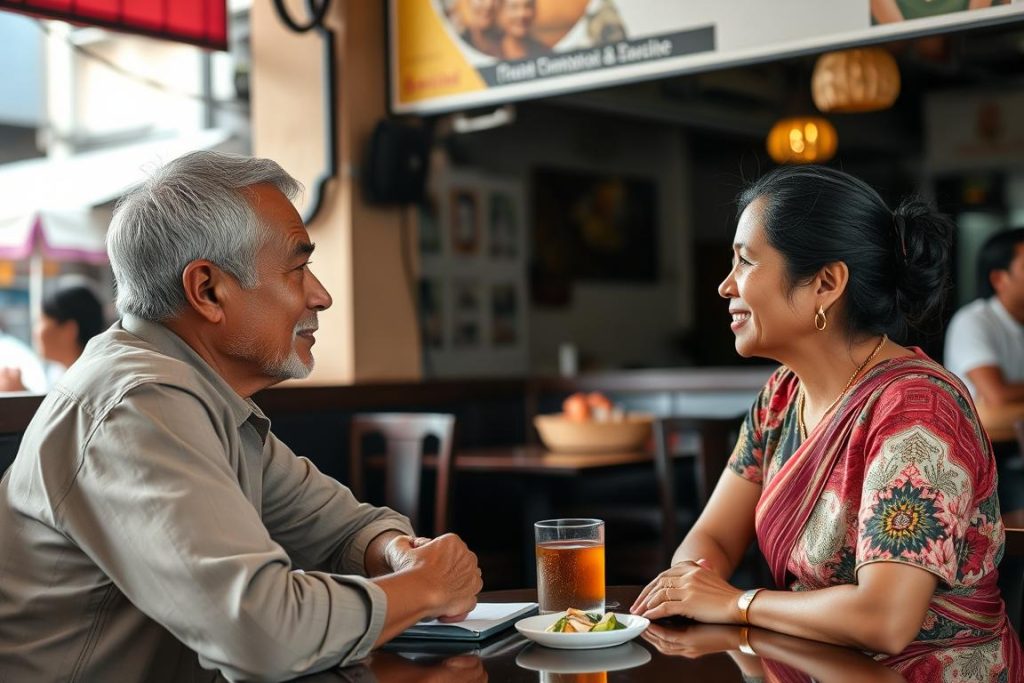
Be mindful of these communication pitfalls:
- Interpreting indirect responses as lack of interest rather than politeness
- Pushing for immediate answers when reflection time is needed
- Using humor that doesn’t translate culturally
- Failing to recognize non-verbal cues indicating discomfort
- Expecting the same level of directness common in home countries
Rushing Social Progression
Cambodian friendships typically develop at a slower pace than many young travelers are accustomed to. Pushing for intense closeness can create discomfort.
Patience demonstrates respect and allows trust to develop naturally. This measured approach aligns with Buddhist principles of mindfulness and restraint.
Socializing in Phnom Penh vs. Siem Reap
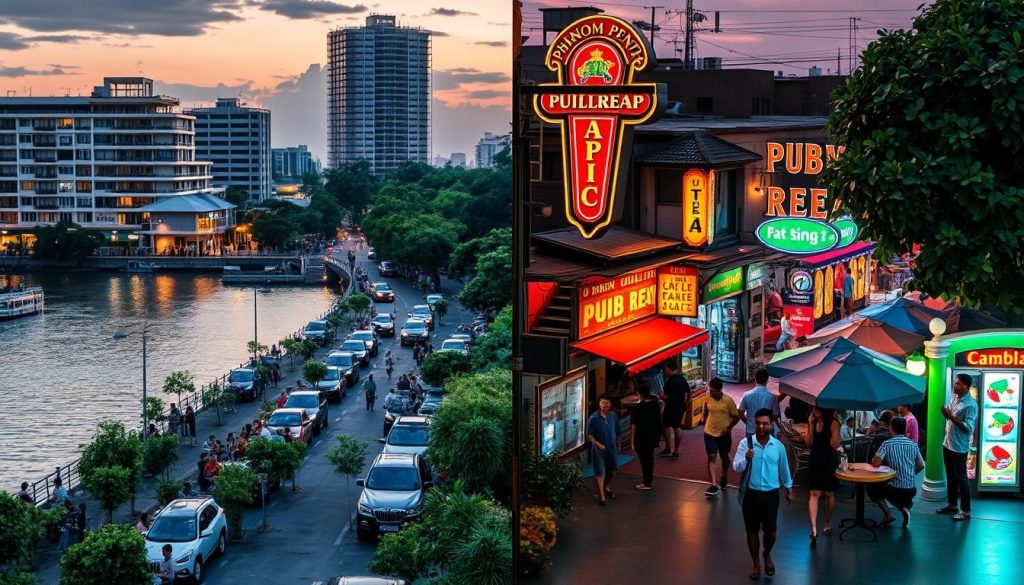
Cambodia’s two most prominent cities for young explorers offer distinctly different environments. Understanding these differences can help set appropriate expectations. There are differences in culture, best hostels, nightlife, and things to do.
Phnom Penh: The Cosmopolitan Capital
As Cambodia’s capital, Phnom Penh offers the country’s most diverse social scene. With a significant traveler and student population, the city blends traditional Cambodian values with international influences.
Phnom Penh social culture is characterized by:
- A wider range of social venues, from hip bars to riverside markets
- A large, young, educated professional community
- Greater English language proficiency
- Active travel communities and social groups
- More progressive attitudes toward meeting new people
The capital offers more opportunities for organic meetings through social groups, events, and volunteer opportunities.
Siem Reap: The Travel Hub
Known worldwide for Angkor Wat, Siem Reap has a social environment heavily influenced by adventure travel. The city attracts millions of young visitors annually, creating a high-energy social dynamic.
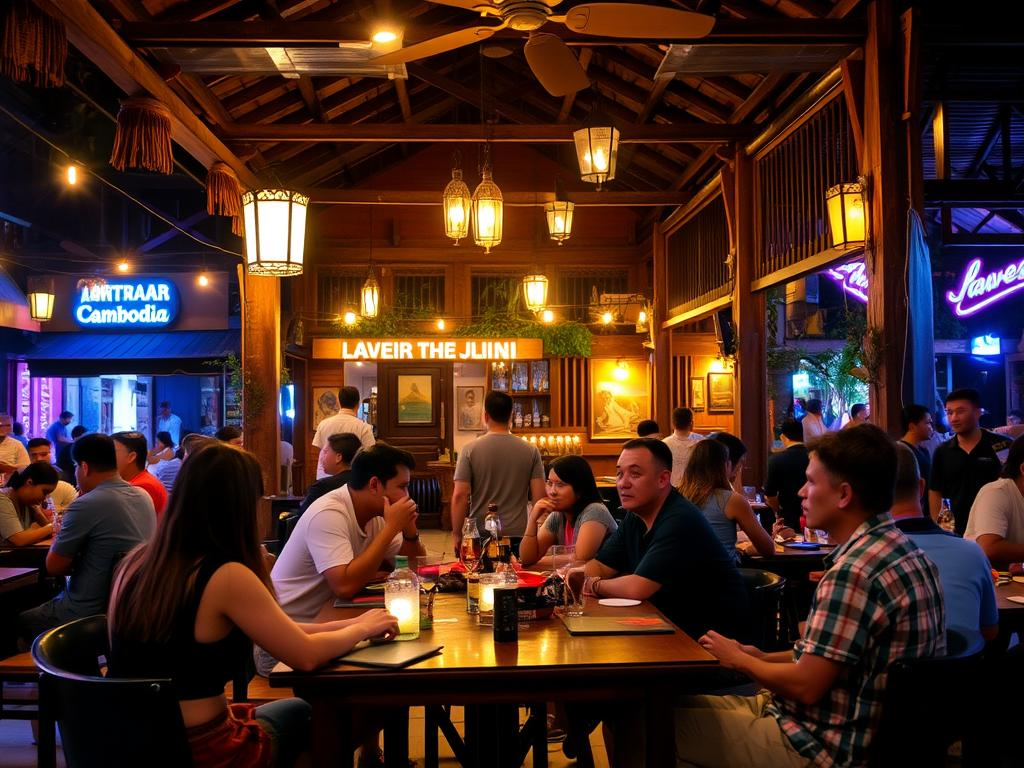
Socializing in Siem Reap is shaped by:
- A high volume of short-term traveler interactions
- Vibrant nightlife centered around Pub Street
- Strong hospitality and service-focused English
- A high concentration of fellow explorers
- Visible cultural contrasts between adventure hubs and quieter neighborhoods
While genuine connections develop in Siem Reap, the city’s transient nature means enjoying the moment and the community you find around you.
Social Venues and Meeting Opportunities
Both cities offer various settings for meeting people, though with different vibes:
Phnom Penh
- Riverside bars and cafes
- Modern shopping centers and food courts
- Social meetups and interest groups
- Art galleries and local markets
- University neighborhood hangouts
Siem Reap
- Pub Street nightlife
- Traditional Apsara performances
- Cooking classes and bike tours
- Old Market area cafes
- Community-based tourism projects
Practical Advice for Travel Success
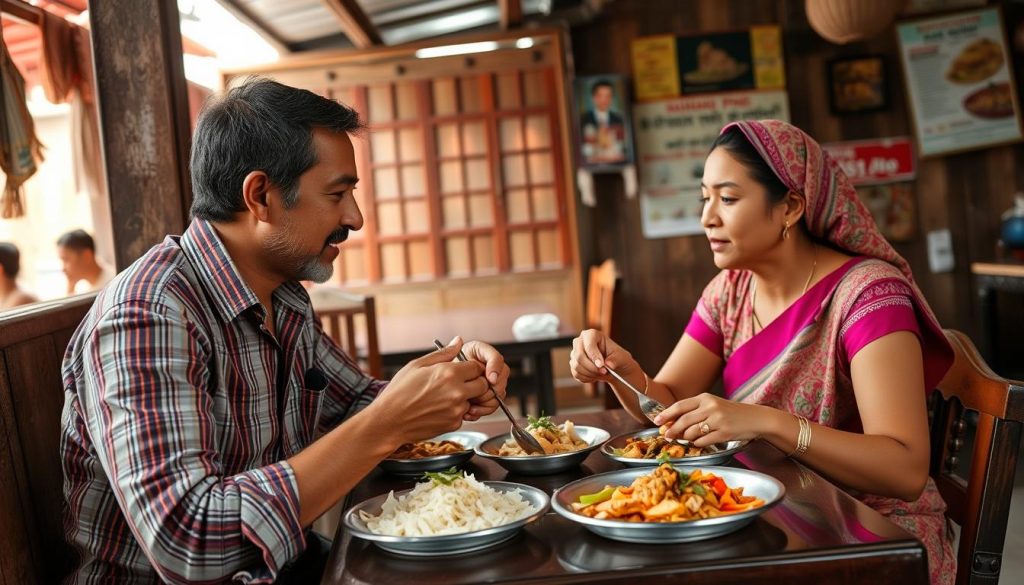
Beyond understanding cultural nuances, practical strategies can help navigate your trip more successfully.
Learning Basic Khmer Language
Few gestures demonstrate respect more clearly than learning basic phrases. It makes a significant impression on locals you meet.
Essential phrases to learn include:
- “Sua s’dei” (Hello)
- “Arkoun” (Thank you)
- “Sok sabay te?” (How are you?)
- “Som toh” (Excuse me/Sorry)
Appropriate Attire
Appropriate attire shows you value local customs. Modesty remains important throughout the country.
- Keep shoulders and knees covered in traditional sites
- Always remove shoes when entering homes
- Avoid overly flashy or expensive-looking clothing
Conclusion: Embracing Cultural Understanding
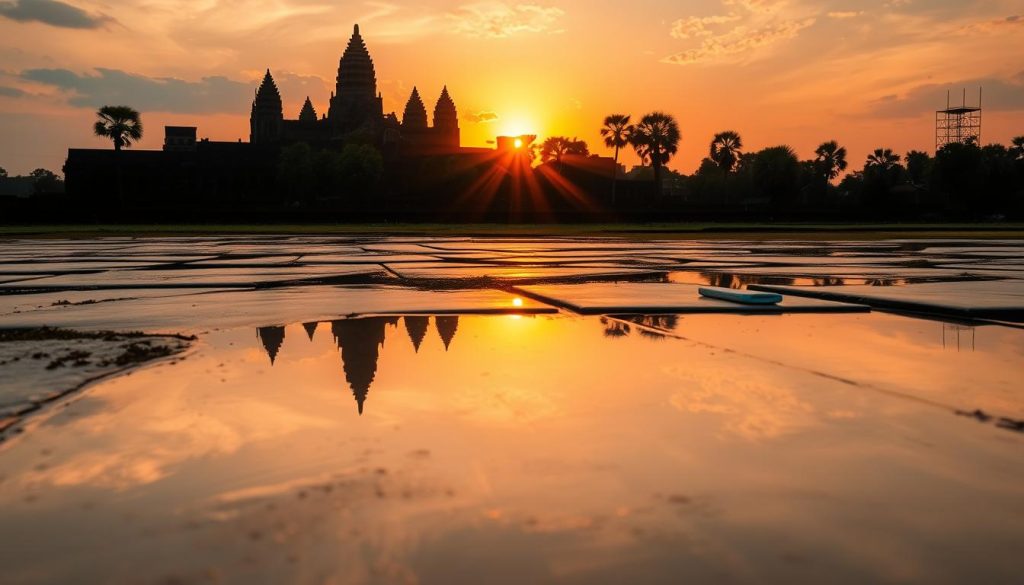
Successfully navigating Cambodia requires patience, respect, and curiosity. The most rewarding experiences come when you step out of your comfort zone and engage authentically with the culture. By understanding the local rhythm, you create the foundation for a truly life-changing adventure.
Ready to Start Your Adventure?
Now that you have the basics down, it’s time to head out and start exploring the wonders of Cambodia.
Find more tips for your Cambodia trip →
Frequently Asked Questions
Is there a big language barrier?
In tourist hubs, English is widely understood. In rural areas, it is less common. A smile and a few Khmer words go a long way.
What is the best way to meet people?
Stay in social hostels, join group tours, and be open to starting conversations in cafes or social spaces.
How do I be a respectful guest?
Dress modestly, remove your shoes when required, and follow the lead of the locals. A polite, curious attitude is your best travel tool.