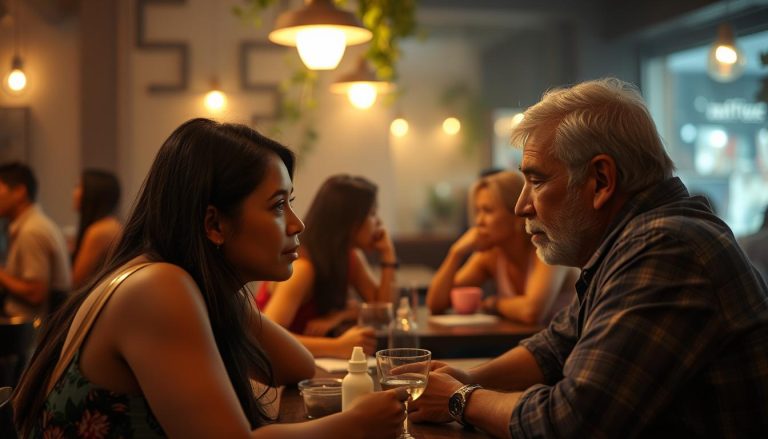
Budget Backpacking in Southeast Asia: What to Expect!
Thinking about an epic gap year or a massive birthday adventure in Southeast Asia? You’re definitely not alone! Heading out with a travel group or meeting fellow backpackers is more popular than ever, and it comes with its own set of awesome highs and a few tricky lows.
Across many cultures in Southeast Asia, ancient traditions and social norms play a big role in how you’ll interact with locals. But don’t sweat it – modern changes and fresh perspectives are constantly opening new doors for young explorers like you to connect with diverse communities.
If you’re all about cultural immersion in Southeast Asia, understanding both the exciting opportunities and potential challenges is super important. This guide will arm you with the key insights you need to confidently plan your upcoming adventure!
Key Takeaways for Your Adventure
- Understanding the cultural nuances of connecting with locals and fellow travelers in Southeast Asia
- Recognizing the incredible benefits of budget travel and group adventures
- Identifying potential challenges and obstacles specifically for young travelers
- Navigating traditional values and modern attitudes for a smoother trip
- Making an informed decision about your travel plans for an unforgettable journey
Navigating Social Connections & Travel in Southeast Asia
Making social connections is a huge part of the travel experience, and it’s becoming increasingly common and accepted worldwide, including across Southeast Asia.
What Exactly is a Social Travel Experience?
A social travel experience is all about linking up with locals and other globetrotters. Whether you’re exploring solo and making friends along the way, or embarking on an international group trip, it’s often seen as a big, exciting adventure.
A Look Back: Travel’s History in the Region
Travel in Southeast Asia has a rich, long history, deeply shaped by its diverse cultures, trade routes, and societal structures. From ancient trading posts to cultural exchange, the region has always been a hub for people coming together.
Today’s Trends: Shifting Attitudes & Modern Connections
These days, travel groups and meeting new people are more widely embraced. This shift comes from a mix of global culture, the power of social media, and handy travel apps like Hostelworld, Meetup, or Couchsurfing, which make it super easy to find travel buddies and connect with others.
| Country | Traditional View on Visitors | Modern View & Impact of Tourism |
|---|---|---|
| Thailand | Generally conservative, strong family ties | Increasingly open, heavily influenced by tourism and global media, welcoming to diverse travelers |
| Philippines | Family values are paramount, community-focused | Growing acceptance, especially among younger generations, embracing global connections |
| Vietnam | Rooted in traditional Confucian values | Slowly but surely changing, with bustling urban areas often leading this cultural shift |
As international travel views continue to evolve, understanding these shifts will help you confidently navigate the incredible world of Southeast Asia!
Cultural Perspectives: Embracing Local Customs on Your Trip
Diving into Southeast Asia means fully embracing its vibrant cultural side. The region’s rich tapestry of traditions deeply influences how people view visitors and interact with travelers.
Honoring Traditional Asian Values & Social Hierarchy
In Southeast Asia, traditional values hold significant weight, emphasizing respect for elders and a clear social hierarchy. This can shape interactions with travelers. Asian hospitality traditions often center around family and community, which can truly enhance your travel experience if you approach them with understanding and respect. A simple ‘hello’ in the local language or a respectful nod can go a long way!
Western Influence & Evolving Perceptions
Western influences are gradually changing how locals perceive visitors, especially in major cities. Exposure to diverse lifestyles and global values fosters greater openness towards international travelers. This embrace of global cultures is most evident in urban centers, making it easier to connect in buzzing cities.
City vs. Countryside: Different Attitudes Towards Travelers
You’ll find that urban and rural areas often have different attitudes towards tourism. Cities tend to be more accustomed to and open to travelers, while more remote rural areas might adhere more strictly to traditional customs. This highlights the importance of being adaptable and understanding the local context, which can sometimes present a few challenges of traveling effectively.
As a young traveler in Southeast Asia, cultural awareness is your superpower. Whether you’re exploring a bustling city or a serene village, understanding local views on visitors will help you have an authentic and respectful adventure!
The Ultimate Pros and Cons of Budget Travel in Southeast Asia
Ready to jump into a budget-friendly adventure in Southeast Asia? It’s smart to weigh the good alongside the not-so-good. Exploring a new country is incredibly exciting, but it definitely comes with its own unique set of considerations.
Big Wins: Benefits of Group Travel & Connecting in Asia
Exploring with a group or actively seeking out local connections can be incredibly rewarding. Local guides often bring invaluable stability and wisdom, sharing hidden gems and cultural insights. Meanwhile, fellow young travelers bring fresh perspectives, energy, and shared excitement!
In Southeast Asia, travelers who are mindful and respectful are often highly regarded. This respect can unlock more authentic experiences.
Budget travel itself is an amazing journey of personal growth. Travelers can lean on each other through the ups and downs – helping with navigation, discovering incredible street food, and pushing each other to try new things. Plus, having a diverse group with different backgrounds and interests makes every day an adventure!
Real Talk: Challenges for Young Backpackers in Southeast Asia
While budget travel is epic, young backpackers in Southeast Asia can face some challenges. Adjusting to new social norms can sometimes feel like a puzzle. Traditional views on community and behavior are still common, especially outside the main tourist hubs.
“The greatest happiness of travel is the conviction that we are connected; connected to the world, or rather, connected in spite of our differences.”
This quote perfectly captures the joy of feeling included and accepted. However, backpackers might occasionally encounter misunderstandings or simply need to adjust their expectations.
Family expectations are also a big deal. In many Southeast Asian cultures, family approval and community harmony are key. Travelers will find it easier to navigate local customs by understanding these social structures and showing respect.
Differences in travel goals or budget styles can also occasionally cause tension within a group or between new friends. Not everyone is looking for the same experience, or has the same amount to spend!
- Dealing with these challenges means having open communication and understanding each other’s needs.
- Be ready to navigate cultural differences with patience and a positive attitude.
- Building a supportive network of fellow travelers can seriously help you tackle any travel hurdles!
Country-Specific Guides: How Southeast Asian Nations Welcome Travelers
Attitudes towards tourism vary wildly across Southeast Asia, reflecting the region’s incredible diversity in cultures, religions, and social norms. Each country has its own unique vibe, shaped by history, local traditions, and modern influences.
Thailand: The Land of Smiles & Unforgettable Experiences
Thailand warmly welcomes young travelers, valuing freedom and happiness above all. Thai society emphasizes hospitality and respect, making it a fantastic destination for backpackers. From bustling Bangkok to serene islands, you’ll find endless adventure.
- Best Time to Visit: November to February (cool and dry season)
- Getting Around: Tuk-tuks, Grab (ride-sharing app), efficient train and bus networks, domestic flights.
- Budget Tip: Expect to spend ฿1000-1500 THB ($28-42 USD) per day for budget travel, including hostels, street food, and activities.
- Culture & Nightlife: Explore ornate temples (dress respectfully!), haggle at vibrant markets, and experience epic nightlife from Khao San Road to rooftop bars. Always be mindful of local customs.
Philippines: Island Hopping & Unmatched Hospitality
In the Philippines, family is at the heart of social life, and community acceptance is huge. Traditional values are strong, but younger generations are incredibly open and eager to connect. Showing respect to local families and elders is a definite plus for travelers.
- Best Time to Visit: December to May (dry season for island adventures)
- Getting Around: Jeepneys, tricycles, ferries between islands, domestic flights.
- Budget Tip: Budget around ₱800-1200 PHP ($14-20 USD) daily for hostels, local food, and island tours.
- Culture & Adventure: Discover stunning beaches, go island hopping in Palawan, try delicious Filipino cuisine, and dive into the friendly local culture.
Vietnam: Ancient History Meets Modern Buzz
Vietnam beautifully blends ancient traditions with a modern outlook on tourism. Traditional values, often rooted in Confucianism, are deeply respected. Yet, modern Vietnam, especially in its dynamic cities, is rapidly embracing change, with younger people being very open to diverse travelers.
- Best Time to Visit: Spring (March-April) and Autumn (September-November) for balanced weather across regions.
- Getting Around: Scooters (if you’re experienced!), Grab, efficient sleeper buses, trains, and domestic flights.
- Budget Tip: A daily budget of ₫500,000-800,000 VND ($20-32 USD) will cover hostels, incredible street food, and sightseeing.
- Culture & Food: Explore ancient towns like Hoi An, cruise through Halong Bay, savor world-famous street food, and immerse yourself in Vietnam’s rich history.
Malaysia and Indonesia: Rich Faiths & Diverse Cultures
Malaysia and Indonesia, home to significant Muslim populations, have specific cultural and religious considerations for social interactions. Islamic teachings and local norms shape these views, so understanding and respecting them will significantly enhance your travel experience.
- Best Time to Visit: Malaysia (May-September); Indonesia (April-October for dry season)
- Getting Around: Malaysia has great public transport (trains, buses, Grab). Indonesia relies more on Grab, local transport, and ferries between islands.
- Budget Tip: Malaysia: RM 100-150 ($20-30 USD) daily. Indonesia: IDR 300,000-500,000 ($20-35 USD) daily.
- Culture & Sights: Explore stunning mosques (dress modestly!), visit ancient temples, enjoy vibrant markets, and relax on beautiful beaches.
Singapore: The Ultra-Modern City-State
Singapore is renowned for its openness to all travelers. Its multicultural and incredibly modern society values personal choices and efficient living, making it an easy and welcoming place to visit, though often a bit pricier!
- Best Time to Visit: February-April or July-September (less rain, comfortable temperatures).
- Getting Around: World-class MRT (subway) and bus system – incredibly efficient and easy to use!
- Budget Tip: Singapore can be expensive. Budget SGD 60-100+ ($45-75 USD) per day, focusing on hawker centers for food and budget hostels.
- Culture & Innovation: Experience iconic Gardens by the Bay, diverse hawker food centers, incredible shopping, and a futuristic cityscape.
Related Posts
- How to Approach an Interracial Dating Site
- Best Bars in Hanoi for Dating Younger Women in 2025
- Angeles City Dating Guide for Older Men (2025)
- Dating Younger Women
- Meeting Younger Women in Siem Reap for Older Men (2025)
- Best Clubs in Asia for Age Gap Dating in 2025
- Where to Meet Women in Hanoi as an Older Man
- Southeast Asia Dating Guide for Older Men (2025)