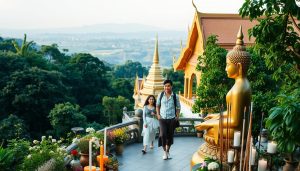
The allure of global discovery has made exploring Indonesia increasingly popular among young travelers. Known for its vibrant energy, friendly locals, and diverse landscapes, Indonesia offers a refreshing alternative to standard tourist traps. However, navigating cultural differences, language barriers, and finding authentic local spots can be challenging for those on a gap year. This is common throughout Southeast Asia when exploring with fellow travelers.
This comprehensive guide provides proven strategies for exploring Indonesia for young travelers both online and offline. Whether you’re seeking travel buddies, unforgettable adventures, or lifelong friends, we’ll help you understand the cultural nuances, avoid common pitfalls, and maximize your chances of making meaningful connections with locals and other explorers. From rooftop bars in Jakarta to sunset beach hangouts in Bali, socializing in Indonesia offers great value for every budget.
Understanding Indonesian Social Culture
Before diving into specific strategies for meeting people in Indonesia, it’s essential to understand the cultural context that shapes their approach to socializing. Indonesia is the world’s largest Muslim-majority country, but it’s also incredibly diverse with over 300 ethnic groups across its 17,000+ islands. The headline is, it takes some patience and openness to build a friendship with a local Indonesian. Expect to earn your way into local social circles and don’t expect a wild party culture in every neighborhood. Nightlife in Indonesia may be very different than your previous experiences back home.
Cultural Values That Influence Socializing
- Family and community approval is highly valued
- Modesty and respect are fundamental virtues
- Traditional gender roles often remain important
- Religion plays a significant role in daily life
- Deep, long-term friendships are generally preferred over casual acquaintances
Regional Differences
- Jakarta and Bali are more cosmopolitan and open to international travelers
- Aceh follows stricter Islamic practices
- Yogyakarta and Solo maintain strong Javanese traditions
- Eastern Indonesia has more Christian populations
- Urban areas are generally more progressive than rural regions
Understanding these cultural dynamics will help you approach meeting people in Indonesia with appropriate respect and realistic expectations. Now, let’s explore the most effective online strategies for connecting with locals and other travelers.
Online Strategies for Meeting People in Indonesia
In today’s digital age, travel apps offer the most accessible way to connect with people in Indonesia, especially for foreigners. These platforms provide a convenient and efficient means to meet and interact with people, breaking down geographical and cultural barriers that once made such connections challenging. Through dedicated travel apps, social media networks, and community forums, young travelers can engage with locals in a safe and controlled environment, allowing for meaningful conversations and better mutual understanding.
One of the key advantages of online platforms is the ability to establish initial connections before visiting Indonesia, which helps build trust and rapport in advance. This preliminary interaction can lead to more comfortable and enjoyable face-to-face meetups when traveling to the country. Additionally, for those already in Indonesia, these platforms act as valuable tools to expand social circles, discover shared interests, and navigate local customs more easily with guidance from new acquaintances.
Moreover, many online platforms offer translation features, cultural tips, and user verification processes, enhancing the quality and authenticity of interactions. This digital approach also allows individuals to filter potential connections based on preferences such as language, hobbies, or adventure goals, making the search more targeted and effective. In essence, online platforms not only open doors to forming friendships in Indonesia but also provide a bridge for cross-cultural exchange and deeper understanding in a globalized world.

Top Travel Apps and Networks in Indonesia
Hostelworld & Travel Communities
Hostel communities stand out as the largest specialized network dedicated to connecting travelers in Indonesia. They boast thousands of active backpackers, making it one of the most vibrant and diverse communities for those interested in budget adventures. The platform is tailored specifically to facilitate meaningful connections by offering features designed to bridge cultural and linguistic gaps. These include social hubs to help users find travel buddies based on specific preferences such as route, location, interests, and more. Additionally, these apps provide language translation tools and communication aids that ease conversations between people who speak different languages, enhancing smooth and effective interaction. The reputation for genuine backpackers and user-friendly interface further adds to its appeal, making it a trusted choice for those seeking group trips or local experiences. By focusing on the traveler niche, these platforms create a targeted, safe, and engaging environment for international explorers.
Language Exchange Networks
Language exchange apps are an excellent platform for individuals looking to connect with Indonesians who prioritize cross-cultural exchange and friendship. The platforms are specifically designed to foster meaningful connections by emphasizing mutual growth. By incorporating detailed filters related to language skills and interests, these networks help users find locals who share similar hobbies and lifestyle preferences. This focus ensures that friendships formed on the platforms have a strong foundation rooted in shared learning and mutual respect, making it ideal for those seeking deep local experiences rather than just casual sightseeing. Additionally, the community-oriented approach creates a supportive environment that encourages open communication, further enhancing the chances of building authentic and lasting connections.
Social Media Travel Groups
Travel social media groups are a comprehensive network that caters to adventurers from all across the globe, making it a diverse and inclusive space for those interested in meeting people from different cultures. While it encompasses a wide range of nationalities, the groups notably have a significant user base from Indonesia, which is one of the largest populations in Southeast Asia. This makes it an especially good choice if you are particularly interested in connecting with local Indonesians, while still having the opportunity to meet other international gap-year travelers. The broad reach of these networks enhances your chances of finding compatible travel partners by allowing you access to a wide spectrum of cultural experiences, languages, and personalities within one convenient group. This variety can be appealing for users who are open-minded and keen on exploring diverse relationships across Asia.
Ready to Meet People in Indonesia Online?
Create your profile today and start connecting with genuine locals and fellow travelers looking for memorable adventures.
Meet People Today →
Effective Socializing Strategies
Do’s:
- Start with a personalized greeting referencing common interests
- Use simple English or basic Bahasa Indonesia phrases
- Ask thoughtful questions about her/his interests and culture
- Be patient and respectful of others’ time
- Show genuine interest in Indonesian food, music, and art
Don’ts:
- Send generic copy-paste messages to multiple people
- Use overly aggressive or inappropriate language
- Rush people toward meeting too quickly
- Make assumptions about people based on stereotypes
- Send unsolicited personal photos
“When meeting new people in Indonesia, remember that many value modesty and sincere intentions. A respectful approach that shows genuine interest in her/him as a person will be much more effective than forcing a connection.”
– Experienced Gap-Year Guide
Useful Bahasa Indonesia Phrases for Travelers
| Indonesian Phrase | Pronunciation | English Meaning | When to Use |
| Apa kabar? | Ah-pah kah-bar | How are you? | Starting a conversation |
| Senang berkenalan denganmu | Seh-nang ber-keh-nal-an deng-an-mu | Nice to meet you | After introductions |
| Makanan ini enak | Mah-kah-nan ee-nee eh-nak | This food is delicious | Complimenting local cuisine |
| Boleh kenalan? | Bo-leh keh-nal-an | May I introduce myself? | Polite way to start a chat |
| Saya suka di sini | Sah-yah soo-kah dee see-nee | I love it here | Expressing enthusiasm for the area |

Creating an Attractive Profile
Your social profile is your digital footprint. Here’s how to make it stand out to locals and fellow explorers:
Profile Elements That Attract People
- High-quality, respectful photos showing your adventures
- Mentions of open-mindedness and curiosity
- Evidence of a passion for budget travel and discovery
- Interest in local Indonesian culture and history
- Respectful tone and clear self-presentation
- Verification badges and complete travel bio
Profile Elements That Repel People
- Shirtless or party-heavy, disrespectful photos
- Mentions of short-term, party-centric interests only
- Complaints about previous travels
- Stereotypical assumptions about local people
- Empty or minimal profile info
- Poor grammar or offensive language
Offline Strategies for Meeting People in Indonesia
While online platforms have revolutionized travel by offering convenience, a vast pool of potential friends, and the ability to connect regardless of location, meeting people in person often leads to more authentic connections and immediate group chemistry. The face-to-face interaction allows for a deeper understanding of personality, body language, and shared interests, which can be difficult to fully gauge through screens. This is especially important for young travelers visiting or backpacking in Indonesia, as in-person meetings can help build trust, respect cultural nuances, and foster genuine friendships that go beyond superficial chats.
In a country like Indonesia, where social and cultural traditions play a significant role, offline strategies can be particularly effective. By engaging in real-world settings, travelers can demonstrate sincerity and cultural respect. Additionally, offline meetings allow for spontaneous moments and shared experiences that can create memorable bonds.
Here are some of the best offline strategies tailored for young travelers seeking to meet people in Indonesia:
1. Explore Social and Cultural Events: Attending local festivals, cultural performances, or community gatherings is an excellent way to immerse yourself in Indonesian culture and meet locals who share your interests. These events provide a natural environment to strike up conversations and gradually build rapport.
2. Visit Popular Local Cafés and Restaurants: Frequenting cafes and small eateries known for their social ambiance can create opportunities to meet locals in a relaxed setting. Engaging politely with staff and other patrons can open doors to new friendships.
3. Take Classes or Workshops: Enroll in language courses, cooking classes, or traditional arts workshops. These activities not only provide a shared topic of interest but also attract like-minded individuals, increasing the chances of meeting people naturally.
4. Join Community or Travel Groups: Many cities have clubs or social groups for both locals and travelers. Participating in these gatherings can provide a supportive and friendly environment for meeting new people.
5. Volunteer for Local Causes: Getting involved with charitable organizations or community projects shows goodwill and a genuine interest in the local community, qualities that resonate well with many Indonesians.
6. Respect and Understand Local Customs: Demonstrating cultural sensitivity – such as understanding appropriate greetings, dress codes, and social etiquette – fosters respect and trust, making interactions smoother and more meaningful.
By focusing on these offline strategies, young travelers can build meaningful connections that are rooted in real-life experiences, mutual respect, and authentic chemistry, leading to more fulfilling adventures while visiting or living in Indonesia.

Best Locations in Major Indonesian Cities
Jakarta
- Grand Indonesia Mall – Hub for young shoppers and cafe culture
- Plaza Indonesia – Popular meeting spot for students and professionals
- Kemang Area – Trendy district with international cafes and bars
- SCBD Area – Business district with vibrant after-work venues
- Menteng – Affluent area with charming cafes and art spots
Bali
- Seminyak – Sophisticated beach area with great social vibes
- Ubud – Cultural center attracting wellness-minded young travelers
- Canggu – Hip area with co-working hubs and social cafes
- Sanur – Mature, relaxed beach area popular for meeting locals
- Beachwalk Shopping Center – Modern mall in Kuta for casual dining
Yogyakarta
- Malioboro Street – Iconic street for local culture and snacks
- Hartono Mall – Popular shopping center for students
- Prawirotaman – Traveler-friendly area with boutique cafes
- UGM Campus Area – Vibrant hub of local university students
- Jalan Kaliurang – Endless street of student-friendly cafes
Social Activities and Events
Participating in social activities provides natural opportunities to meet people in contexts where conversation can flow naturally:
Language Exchange Groups
Join language exchange meetups where Indonesians practice English and travelers learn Bahasa Indonesia. These events create natural opportunities for conversation in a supportive environment. Look for groups on Facebook or Meetup.com in major cities.
Cooking Classes
Indonesian cooking classes are popular with locals and travelers alike. Learning to make dishes like rendang or nasi goreng provides a shared activity and conversation starter while demonstrating your interest in local culture.
Cultural Workshops
Workshops teaching traditional Indonesian arts like batik making, traditional dance, or gamelan music attract culturally-minded locals and provide structured interaction opportunities.
Volunteer Activities
Joining local community service or environmental projects shows your values while meeting socially-conscious locals. Organizations like the Indonesian Red Cross or local beach clean-ups welcome student and gap-year participants.

Approaching People Respectfully
In Indonesian culture, interactions are deeply influenced by values such as harmony, respect, and politeness. A respectful, gentle approach is highly appreciated in both social and professional contexts. Indonesians tend to avoid confrontation or overly direct communication, as maintaining social harmony and saving face are important cultural priorities. When showing interest in connecting, it is best to do so with subtlety and warmth rather than bluntness.
However, attitudes can vary depending on the setting and region. In public spaces within cosmopolitan areas such as Jakarta, Bali, or Surabaya, a direct but polite expression of interest is generally acceptable and may be seen as confident yet respectful. This might include maintaining appropriate eye contact, offering a friendly greeting, or engaging in light, pleasant conversation. Even in these urban centers, it remains important to avoid aggressive behavior, and to always be mindful of personal boundaries.
In more traditional or rural areas, people may be more reserved, and a gentler, more indirect approach is recommended. Demonstrating genuine respect through polite language, considerate body language, and patience will always be valued and can help foster positive connections. Overall, blending sincerity with sensitivity to cultural norms is key to making a good impression in Indonesian society.
Appropriate Conversation Starters
- Ask for recommendations about local food or hidden gems
- Comment on a shared experience (e.g., at an event)
- Inquire about cultural aspects you’re curious about
- Offer a sincere compliment about something non-personal (like local arts)
- Ask for help with pronouncing local words
Body Language and Etiquette
- Maintain appropriate personal space
- Offer a polite handshake or nod rather than a hug
- Avoid intense, prolonged eye contact which can be uncomfortable
- Keep physical contact minimal until a friendship develops
- Use the right hand for giving or receiving items
Prefer to Meet People Online First?
Start connecting with fellow travelers and locals from the comfort of your home before your big Indonesian adventure.
Recognizing Genuine Friendship vs. Sales-Driven Interaction
Understanding the difference between genuine interest and commercial motivations is crucial when traveling. In any cross-cultural interaction, it’s important to approach people with both an open heart and a mindful awareness. While many locals seek true cultural exchange based on mutual respect, shared values, and sincere friendship, some interactions can be influenced by commercial motivations—such as guided tours, souvenir sales, or other financial benefits.
Being aware of these potential warning signs does not mean assuming the worst of people but rather practicing discernment to protect yourself from misunderstandings. Authentic friendships thrive on trust, clear communication, and genuine intentions. By paying attention to how the interaction develops, observing consistency in words and actions, and respecting cultural nuances, you can better differentiate between heartfelt interest and interactions driven primarily by business benefits.
Ultimately, this awareness empowers you to foster meaningful connections that enrich both your travel experiences, rather than entering into situations where expectations may be misaligned. Taking the time to understand and appreciate the cultural context and individual motivations will help create a foundation for lasting, respectful bonds.

Signs of Genuine Interest
Community Introduction
Being introduced to friends or family members is a significant indicator of serious trust in Indonesian culture. Community approval is highly valued, and this step isn’t taken lightly.
Consistent Communication
Regular, meaningful conversations that go beyond superficial tourist topics suggest genuine connection. Look for consistent communication patterns and growing cultural exchange.
Interest in Your Perspective
She/he asks thoughtful questions about your country, travels, and views. Genuine interest in your personal life and values indicates authentic connection beyond material benefits.
Warning Signs of Commercial Interest
Important Note: While it’s essential to be aware of potential warning signs, avoid approaching people with undue suspicion. Most locals seeking international friendships have genuine intentions. Cultural differences can sometimes be misinterpreted as red flags.
| Warning Sign | What It Might Look Like | How to Respond |
| Persistent sales talk | Asking you to buy goods or book tours repeatedly | Politely decline and observe if the conversation continues naturally |
| Excessive focus on your gear | Frequent questions about your camera, phone, or budget | Redirect conversations to local culture and shared experiences |
| Reluctance to meet in public | Always finding excuses to avoid meeting in social, open areas | Suggest a well-known, busy cafe or landmark |
| Rushing plans | Pushing for expensive activities or transport early on | Stick to your budget and suggest low-cost alternatives |
| Avoiding local topics | Deflecting questions about their actual life or local community | Build trust gradually and respect privacy while noting patterns |
Cultural Respect in Indonesian Society
Indonesia is a vast archipelago with a rich tapestry of cultures, languages, and religious beliefs. This diversity is deeply woven into the daily lives and social practices of its people. When interacting with them, especially in personal or social contexts, it is crucial to approach these encounters with a high degree of sensitivity and respect for their cultural and religious values.
Many Indonesian communities strongly adhere to traditions influenced by Islam—the country’s most widely practiced religion—while others follow Christianity, Hinduism, Buddhism, and indigenous beliefs. These religious influences shape social norms, expectations regarding modesty, gender roles, family values, and appropriate behavior. For example, in more conservative settings, public displays of affection may be frowned upon, and certain topics may be considered private or taboo.
Demonstrating an understanding of these roles and values shows respect and genuine interest. Taking the time to learn about local customs, traditional greetings, holiday observances, and even appropriate dress codes can communicate your sincerity and willingness to engage thoughtfully. Such cultural competence helps avoid misunderstandings or unintentional offense that could hinder building trust.
Moreover, honoring religious practices—such as prayer times or fasting during Ramadan—can create a deeper connection, signaling that you value what is important to them. It also reflects an open mind and cultural humility, traits that are often highly appreciated.
In summary, approaching interactions with locals through a lens of cultural and religious awareness is not only courteous but foundational to establishing meaningful and lasting friendships. Respecting their unique backgrounds enriches the experience and fosters mutual understanding, ultimately enhancing your adventure.

Religious Considerations
With over 87% of Indonesians identifying as Muslim, understanding Islamic customs is essential, though practices vary widely across the country:
Ramadan Etiquette
- Avoid eating, drinking, or smoking in public during daylight hours
- Be understanding of reduced energy levels during fasting periods
- Consider participating in iftar (breaking fast) meals if invited
- Plan social meets around prayer times and breaking fast
- Show interest in learning about religious practices
Social Etiquette
- Meeting in public places rather than private settings
- Respecting physical boundaries and modest interaction
- Understanding that community is often involved in group decisions
- Appreciating local traditions and customs
Dress and Behavior Guidelines

Related Posts
- The Stigma of Age Gap Dating in the Philippines vs the West
- Cross Cultural Relationships in Cambodia: Dating Younger Women as a Foreigner
- How to Spot Gold Diggers in Angeles City Nightlife
- Dating Younger Women In Bangkok: The Ultimate Dating Guide for Older Men
- Catholic Culture and Dating Younger Women in the Philippines
- Pros and Cons of Age Gap Relationships for Older Men
- The Benefits of Dating Younger Women
- How to Meet Younger Women During the Day Without Being Creepy