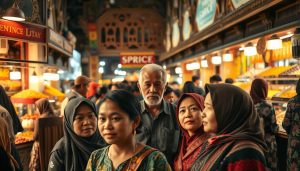
The Philippines has become a premier destination for young travelers seeking epic adventures and the Southeast Asian travel culture. This vibrant landscape, often filled with backpackers on gap years and birthday trips, is welcoming to those looking to explore off the beaten path. Understanding the nuances of Filipino travel culture is essential for any young explorer considering this destination.
In this comprehensive guide, we’ll explore Philippines travel culture for young travelers and the cultural foundations, budget tips, and realities of navigating the islands. Whether you’re planning a budget-friendly solo trip or a group adventure, this guide will help you navigate this unique cultural landscape with respect and curiosity.
Why Understanding Philippine Travel Culture Matters
Before diving into the adventure scene in the Philippines, it’s crucial to understand the cultural context that shapes the travel experience. What might seem like a simple backpacker trek is often viewed through the lens of warm, communal Filipino hospitality.
Catholic Influence and Family Values
The Philippines is predominantly Catholic, with over 80% of the population practicing this faith. This religious foundation profoundly influences local customs, festival celebrations, and community dynamics throughout the country.
Unlike the individualistic approach often seen in other regions, Filipino culture places tremendous emphasis on family cohesion. Sunday family gatherings in Manila, for instance, are sacred traditions where extended families come together for meals and bonding. These gatherings often include everyone from grandparents to the youngest children.

For young travelers, showing respect for these local traditions is key to a rewarding journey. This cultural value creates a travel environment where hospitality is a priority, and you may often find yourself welcomed into local circles with open arms.
English Advantage and Communication
One significant advantage for young international travelers in the Philippines is the widespread use of English. The Philippines ranks among the top English-speaking countries in Asia, with English being one of the official languages alongside Filipino (Tagalog).
This linguistic connection eliminates many of the communication barriers that might exist in other international travel scenarios. In cities like Manila, Cebu, and Angeles, you’ll find that most locals speak English fluently, making it easier to meet people and navigate your adventure.
The shared language allows for deeper conversations about local history, food, and culture—critical elements for any successful gap year experience.
Why Budget Adventures Are Common
Budget travel adventures between young explorers in the Philippines have historical roots and continue to be the standard today. Several cultural and practical factors contribute to this phenomenon.

Historically, Filipino culture has valued simplicity and resourcefulness. Young travelers often find that local hostels and street food offer a more authentic, affordable, and social experience—qualities that align with the spirit of a gap year.
Additionally, Filipino culture places less emphasis on status as a determining factor in popularity. Instead, qualities like curiosity, enthusiasm, and kindness are given greater weight when meeting fellow travelers.
“In the Philippines, budget travel isn’t viewed through any negative lens; it is the ultimate way to see the islands. What matters most is the memories you create and the people you meet along the way.”
Understanding these cultural foundations helps explain why backpacking trips across the Philippines flourish for young travelers worldwide.
How Locals View Young Travelers
To navigate the travel landscape successfully, it’s important to understand the local perspective regarding young visitors. Their viewpoint is shaped by hospitality, friendliness, and a pride in sharing their beautiful country.
Budget Travel and Local Economy
Many local businesses value the influx of young, adventurous travelers. In Cebu’s neighborhoods, for example, hostel owners and street food vendors thrive on the energy of young travelers who seek an authentic look at life—a trend that supports local businesses and families.
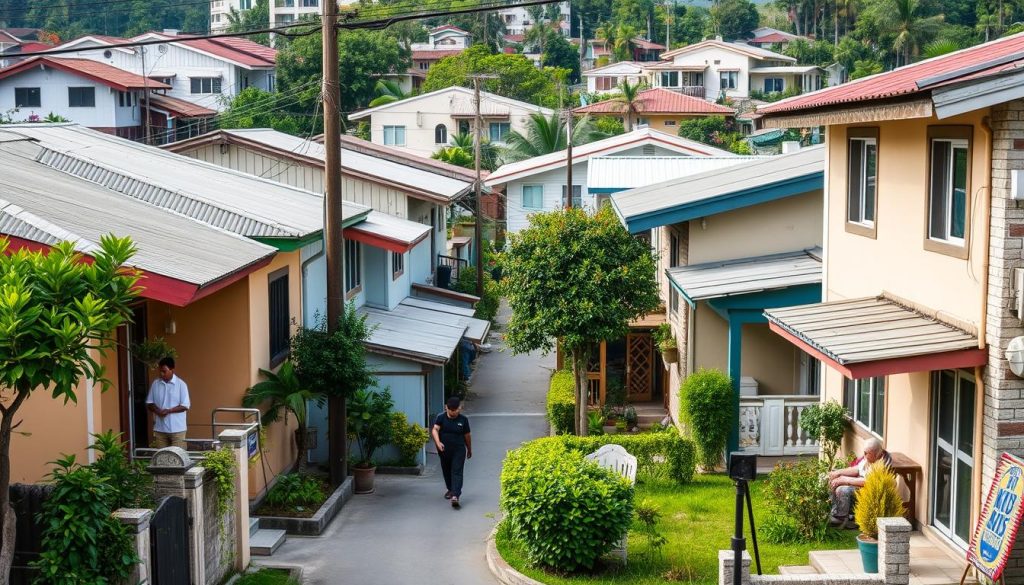
Economic realities in the Philippines mean that your travel spending directly supports local communities. The minimum wage in Manila is approximately 570 pesos per day (roughly $10 USD), so being a mindful, respectful budget traveler is greatly appreciated.
For many locals, a young traveler who respects the environment and engages with the community represents a positive cultural exchange.
Attraction to Adventure and Energy
Beyond economics, many locals are genuinely curious about the energy and enthusiasm young travelers bring to the country. This preference often stems from cultural values that prioritize joy and social connection.
When contrasted with more stationary groups, young international travelers are frequently perceived as more adventurous, open-minded, and culturally curious. These qualities align with what many locals appreciate when interacting with visitors.

Life experience is particularly valued in conversation. A young traveler who has navigated transit challenges, local customs, and new social scenes is often seen as a fun, engaging conversationalist. This experience translates to a sense of mutual respect that extends beyond just being a tourist.
Balancing Exploration with Practical Expectations
In Angeles City, where many young backpackers have settled to explore the region, successful trips typically balance adventure with practical considerations. These journeys work best when you have clear, realistic expectations.
Young travelers in these areas often appreciate nightlife but also value local safety tips and logistical planning. The most successful trips involve open communication about your budget, travel itinerary, and safety measures.

It’s important to note that while practical considerations play a role, the spirit of adventure remains essential. The most successful gap years are those built on respect for local cultures, shared enthusiasm, and authentic engagement with the people you meet—regardless of where you come from.
Ready to Meet Fellow Travelers?
Create your free profile on traveler-focused platforms today and connect with people interested in group adventures and budget travel tips.
Traditions and Expectations
Understanding the traditional customs and local expectations is essential for young travelers. These traditions reflect deeply held cultural values and can significantly enrich your travel experience.
Meeting Locals Early in Your Stay
Unlike some regions where travelers keep to themselves, in the Philippines, local interaction is often part of the daily rhythm. This willingness to engage with visitors reflects the communal nature of Filipino culture and the importance placed on hospitality.
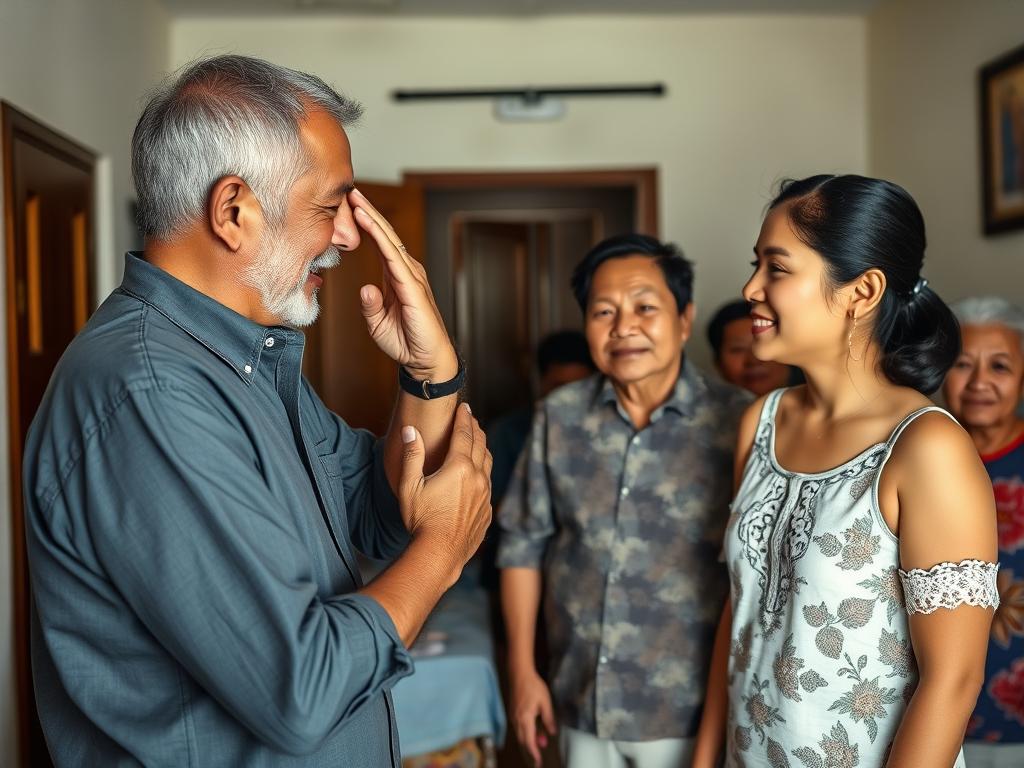
The “mano po” greeting ritual is an important cultural practice when showing respect to elders. This gesture, where you take an elder’s hand and bring it to your forehead as a sign of respect, demonstrates your understanding of Filipino customs.
Be prepared for locals to ask direct, friendly questions about your trip, where you’re from, and what you think of the Philippines. This isn’t considered intrusive in Filipino culture but rather a normal way to welcome visitors.
Gift-Giving and Respect Customs
Sharing small tokens is common in social settings. When visiting local communities, bringing small gifts or sharing food is often appreciated. These need not be expensive—snacks or fruit from local markets are always welcome.
Understanding the concept of “utang na loob” (debt of gratitude) is crucial to avoid misunderstandings. This cultural value creates a sense of reciprocal obligation that helps maintain harmony in relationships.

When someone offers you a favor or shares their time, reciprocating with simple kindness or a shared meal keeps the dynamic positive and mutually beneficial.
The Role of Religion in Daily Life
Catholicism profoundly influences daily rhythm. Church events in Manila provide large social gathering opportunities, and participation in local festivals is a fun way to experience the culture.
Sunday Mass is a regular practice for many. Even if you don’t share the same religious beliefs, showing respect for these practices—such as being quiet near churches or dressing modestly during religious holidays—is important for social harmony.
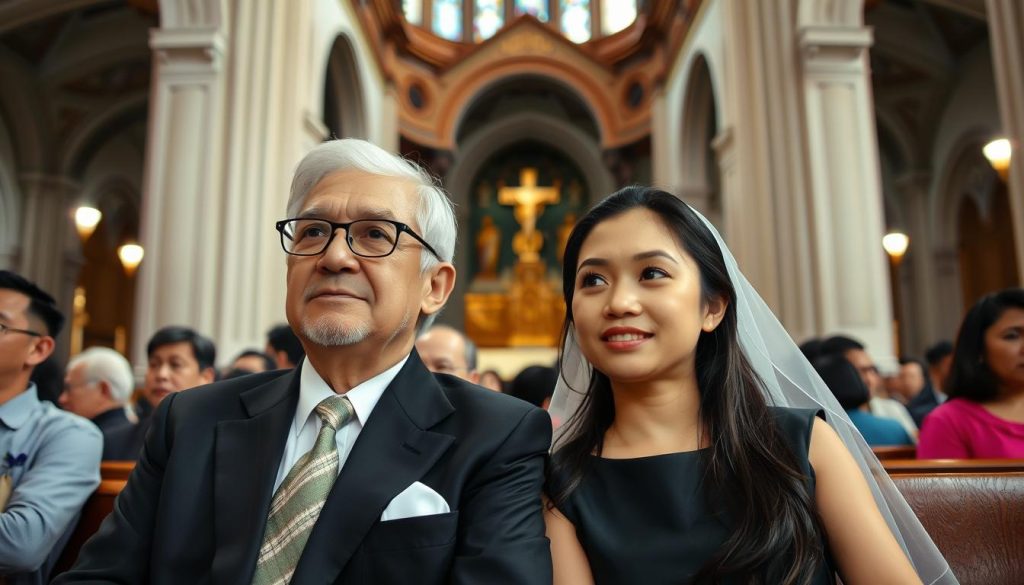
Fiestas (religious festivals) are important cultural events. Participating in these vibrant celebrations provides unique opportunities to join the community and experience the true energy of the Philippines.
Where Culture Meets Modern Adventure
While traditional values remain, modern influences are reshaping travel and social life. Understanding this blend of tradition and modernity is key for young travelers navigating the islands.
Influence of Social Media and Apps
The Philippines has one of the highest rates of social media usage globally. This digital connectivity has transformed how travelers find tips, meet people, and navigate cities.

Travel apps in the Philippines like Grab are essential for city navigation, while others are great for meeting fellow backpackers. These tools prioritize social interaction and safety for modern adventurers.
For young travelers, using these platforms helps stay connected, share locations with friends, and find the best local hotspots while avoiding tourist traps.
Blending International and Filipino Styles
Successful backpacking trips in Cebu demonstrate how international and Filipino styles can blend. This cultural fusion creates an environment where you can learn about local life while meeting travelers from all over the world.

Whether it’s swapping stories over local food or sharing travel tips at a hostel, the blend of international backgrounds makes for a unique social experience.
Nightlife vs Quiet Retreats
The social scene varies between metropolitan areas like BGC in Manila and provincial island life. Understanding these differences helps set expectations for your trip.
In upscale areas like BGC, the nightlife scene is energetic and cosmopolitan. Conversely, in island provinces, the pace is slower, focusing on beach life, diving, and community activities.

For young travelers looking for the right balance, mixing both city energy and island calm is the perfect way to see the Philippines.
Experience Filipino Culture Firsthand
Book your stay in Manila through Agoda and immerse yourself in the local vibe while finding the best social spots.
Tips for Young Travelers
Navigating the Philippines is a blast when you know how to stay safe and make the most of your budget. Here are some essential travel tips.
Stay Smart and Aware
As with any travel destination, staying aware of your surroundings is crucial. Stick to well-traveled routes, use trusted transportation apps, and always keep your documents secure.

Cultural awareness helps too. Understanding the local pace and politeness will make your interactions much smoother and more enjoyable.
Staying Connected on the Go
Reliable communication is key for a solo or group adventure. Get a local SIM card as soon as you arrive to stay updated on maps and transport.

Using instant messaging apps helps you share your itinerary and stay in touch with new friends, making your journey smoother and more social.
Respecting Local Communities
The Philippines is full of welcoming communities. Showing respect for their traditions and property goes a long way. Always practice leave-no-trace principles and respect local norms.

Related Posts
- Best Things to Do in Bangkok for Older Men Dating Younger Women (2025)
- Casual vs Serious Dating With Age Difference: What You Should Know
- Ho Chi Minh Nightlife Dating Guide for Meeting Younger Women
- Resources for Older Men Restarting Life Abroad Southeast Asia: Your Complete Toolkit
- Overrated Nightlife Spots in Bangkok and Better Alternatives
- Advice for Older Men Dating Filipinas Successfully
- Best Dating Apps in Angeles City for Meeting Younger Women (2025 Guide)
- Ho Chi Minh City Dating Guide for Older Men (2025)