
Southeast Asia has long been a popular destination for young travelers seeking an epic gap year or a budget-friendly birthday trip. The region’s combination of iconic nightlife, low cost of living, and vibrant social scenes creates an appealing environment for young explorers looking to travel the world. But what are the real costs involved? This comprehensive guide breaks down the cost of budget travel in Southeast Asia for young travelers across Thailand, the Philippines, Vietnam, Indonesia, and Cambodia.
Why the Cost of Traveling in Southeast Asia Matters
Understanding the financial aspects of exploring Southeast Asia is crucial for several reasons. First, it helps you create a realistic budget for your adventures. Second, knowing the typical costs can protect you from overpaying or falling victim to common tourist traps. Finally, different countries and cities offer varying value propositions – what might be expensive in Bangkok could be quite affordable in Ho Chi Minh City.
Why Young Travelers Care About Budgets
Many young travelers exploring the world are on gap years or budget-conscious birthday trips with limited savings. Even those with a bit more cash benefit from understanding the true costs involved. Whether you’re planning a two-week party trip or considering a month-long backpacking stint, having accurate budget information helps you make informed decisions and extend your travel journey without financial stress.
The Appeal of Traveling in Asia
Southeast Asian cultures generally have a very open and social vibe, making it incredibly easy to meet fellow travelers from all over the world. Many young travelers in these countries value new friendships, shared adventures, and epic nightlife – qualities that this region provides in spades. While money is part of the equation, creating memorable experiences based on shared vibes and exploration is the main goal.
How Costs Vary by Country
Travel expenses can vary dramatically across Southeast Asia. Thailand tends to be more expensive, especially in tourist areas like Bangkok and Pattaya, while Cambodia and parts of Vietnam offer significantly lower costs. The Philippines falls somewhere in the middle, with Manila being costlier than provincial cities. Your budget needs will also depend on your travel style – casual hostel hopping requires less investment than nights out at upscale rooftop venues.
Main Travel Expenses Across Southeast Asia
When exploring Southeast Asia, several key expense categories will form the bulk of your budget. Understanding these costs helps you plan effectively and avoid financial surprises.
Travel Apps and Subscriptions
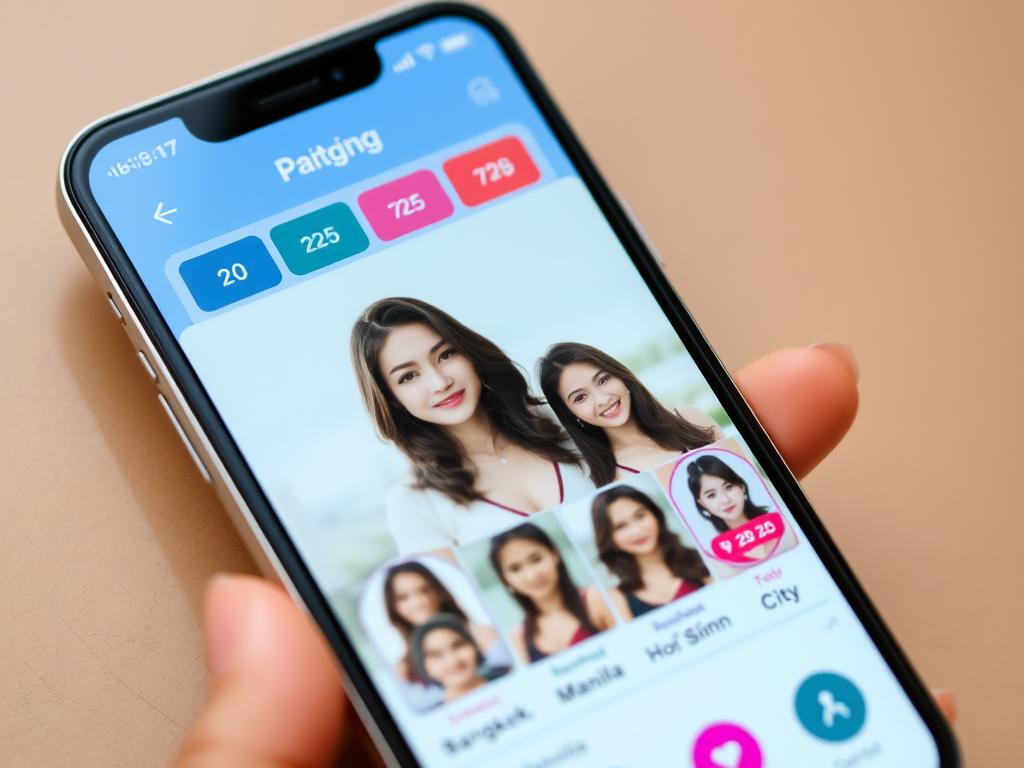
Travel apps are often the most efficient way to meet people and find cool spots in Southeast Asia. While most apps offer free basic features, premium versions can provide real-time connection perks:
| Travel App | Monthly Cost | 3-Month Cost | Annual Cost | Best For |
| ThaiFriendly | $24.95 | $49.95 | $119.95 | Meeting Thai travelers |
| PinaLove | $29.95 | $59.95 | $119.95 | Filipino explorers |
| VietnamCupid | $29.98 | $59.99 | $119.98 | Vietnamese locals |
| AdultFriendFinder | $39.95 | $80.85 | $239.40 | Casual social vibes |
Start Meeting Fellow Travelers Today
Create your social profile and connect with awesome, younger people interested in exploring and nightlife.
Hotels and Social-Friendly Accommodations
Accommodation is typically your largest expense when traveling in Southeast Asia. Social-friendly hostels and hotels allow you to meet people and enjoy flexible visiting policies, which is essential for adventure. Here’s what you can expect to pay per night:
Budget Options ($15-40/night)
- Basic social-friendly hostels
- Simple amenities (AC, reliable WiFi)
- Often located near party hubs
- May have common areas for meeting people
Mid-Range Options ($40-100/night)
- Comfortable rooms with better amenities
- Good locations near nightlife
- Easy for group meetups
- Room service and extra facilities
Find Social-Friendly Hotels
Book accommodations that are perfect for meeting new people and starting your adventures.
Nightlife and Bar Costs
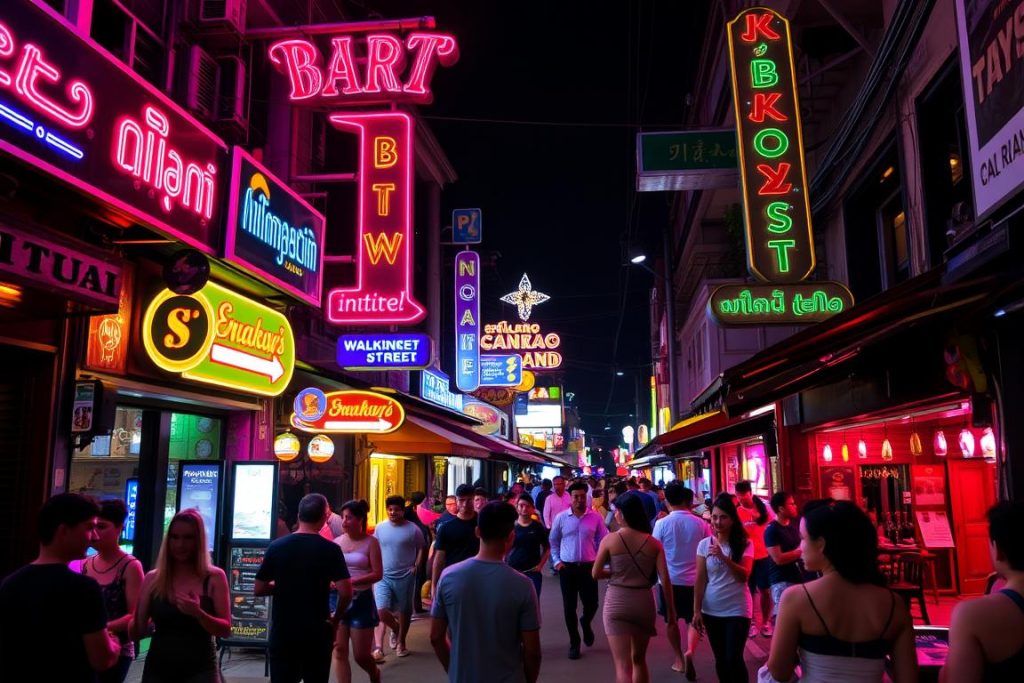
Nightlife expenses vary widely across Southeast Asia. Here’s a general breakdown of what you might spend during an evening out:
| Expense | Thailand | Philippines | Vietnam | Cambodia |
| Local Beer | $2-4 | $1.50-3 | $1-2 | $0.75-2 |
| Cocktail | $5-10 | $4-8 | $3-7 | $3-6 |
| Club Entry | $10-20 | $5-15 | $5-10 | $0-5 |
| Round of Drinks | $4-8 | $3-6 | $3-5 | $2-4 |
Travel and Transportation
Getting around Southeast Asian cities is generally affordable, but costs add up when moving between spots. Consider these transportation expenses:
- Taxis/Grab: $2-10 per trip depending on distance
- Motorbike rental: $5-10 per day (perfect for exploring)
- Domestic flights: $30-100 one-way between major cities
- Public transportation: $0.30-1.50 per trip (great for city hopping)
Food, Experiences, and Extras
Exploring Southeast Asia often involves trying local food, shopping for souvenirs, and booking excursions. These costs vary based on your personal travel style:
Dining Out
- Local street food: $5-15 for two
- Mid-range restaurant: $15-40 for two
- Trendy rooftop dining: $50-100+ for two
Experiences and Extras
- Local souvenirs: $5-20
- Shopping trips: $20-100+
- Group activities/tours: $30-100 for two
Country-by-Country Breakdown
Each Southeast Asian country offers a unique travel environment with different cost structures. Let’s examine the major destinations in detail.
Thailand – Bangkok, Pattaya, Phuket, Chiang Mai
Thailand is the most developed destination in Southeast Asia, with prices to match. Bangkok and Pattaya offer the most active nightlife scenes, while Phuket combines beach life with adventure and Chiang Mai provides a more relaxed atmosphere.
Thailand Travel Costs
Thailand tends to be the most expensive Southeast Asian country for travelers, particularly in hotspots. Here’s what you can expect:
- Travel app premium: $25-40/month
- Hostel/Hotel: $30-150/night
- Nice meal out: $20-60 for two
- Nightlife (per evening): $30-100+
- Transportation: $5-15/day
Philippines – Manila, Cebu, Angeles City
The Philippines offers excellent English communication and people who are often super welcoming to international travelers. Manila provides big-city options, Cebu offers a more relaxed island vibe, and Angeles City is known for its intense party nightlife.

Philippines Travel Costs
The Philippines offers good value for travelers, with costs varying between major cities and islands:
- Travel app premium: $25-40/month
- Hostel/Hotel: $25-120/night
- Nice meal out: $15-50 for two
- Nightlife (per evening): $25-80
- Transportation: $4-12/day
Cambodia – Phnom Penh, Siem Reap
Cambodia offers some of the lowest travel costs in Southeast Asia. Phnom Penh has the most active nightlife, while Siem Reap combines social vibes with world-class cultural attractions like Angkor Wat.
Cambodia Travel Costs
Cambodia provides excellent value for budget-conscious explorers:
- Travel app premium: $25-40/month
- Hostel/Hotel: $15-80/night
- Nice meal out: $10-40 for two
- Nightlife (per evening): $15-60
- Transportation: $3-10/day
Vietnam – Ho Chi Minh City, Hanoi, Da Nang
Vietnam offers a good balance of affordability and experience. Ho Chi Minh City (Saigon) has the most active party scene, Hanoi provides a more traditional feel, and Da Nang combines city vibes with the beach.
Vietnam Travel Costs
Vietnam offers excellent value with improving infrastructure:
- Travel app premium: $25-40/month
- Hostel/Hotel: $20-100/night
- Nice meal out: $12-45 for two
- Nightlife (per evening): $20-70
- Transportation: $3-10/day
Typical Daily and Monthly Budgets
Your travel expenses in Southeast Asia will vary based on your preferred lifestyle. Here’s a breakdown of what you might spend at different budget levels.

Shoestring Budget
Even with limited funds, traveling in Southeast Asia is epic. A shoestring budget of $1,000-1,500 per month can work if you:
Shoestring Budget Strategy
- Stay in budget hostels ($15-30/night)
- Use free social app features
- Eat local at street markets ($5-10 for two)
- Limit bar nights to 1-2 times per week
- Use local transport/buses
- Focus on free nature or beach spots
Shoestring Budget Limitations
- Basic, no-frills accommodations
- Less social reach without paid features
- Fewer upscale nightlife experiences
- May have to pass on some big-ticket excursions
- Works better in Vietnam/Cambodia than Thailand
Mid-Range Lifestyle
A mid-range budget of $2,000-3,000 per month provides a comfortable travel experience in most Southeast Asian countries:
Mid-Range Budget Breakdown
| Expense Category | Monthly Cost | Notes |
| Accommodation | $900-1,500 | Nice hotels or serviced apartments |
| Travel Apps | $30-60 | Social and navigation tools |
| Dining | $300-600 | Mix of street food and sit-down spots |
| Nightlife | $300-500 | 2-3 nights out per week |
| Transportation | $150-250 | Taxis/Grab and scooter rentals |
| Experiences | $100-200 | Occasional tours and fun activities |
High-Roller Experience
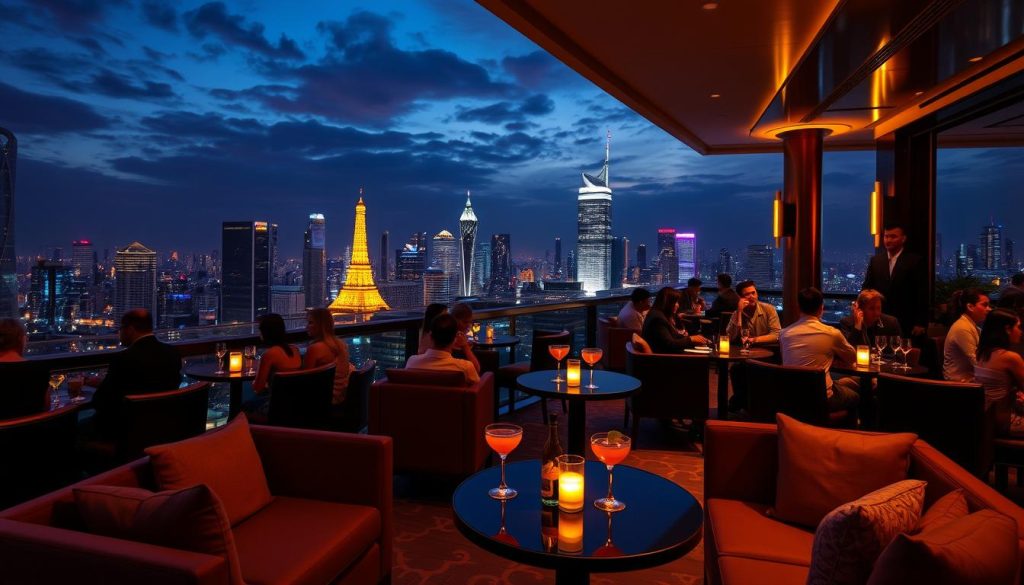
With a budget of $5,000+ per month, you can enjoy a premium travel experience with luxury stays and exclusive venues:
- Luxury suites or private villas ($150-300/night)
- Full suite of travel tools
- Fine dining at top-tier restaurants ($50-150 per meal)
- VIP bottle service nightlife
- Private cars and transfers
- Weekend island hopping getaways
- Premium shopping and gifts
Experience Luxury Travel in Southeast Asia
Book VIP experiences and high-end stays for an unforgettable trip.
How Travelers Can Stretch Their Budget
Smart planning can significantly reduce your travel expenses in Southeast Asia. Here are practical strategies to make your funds last longer.
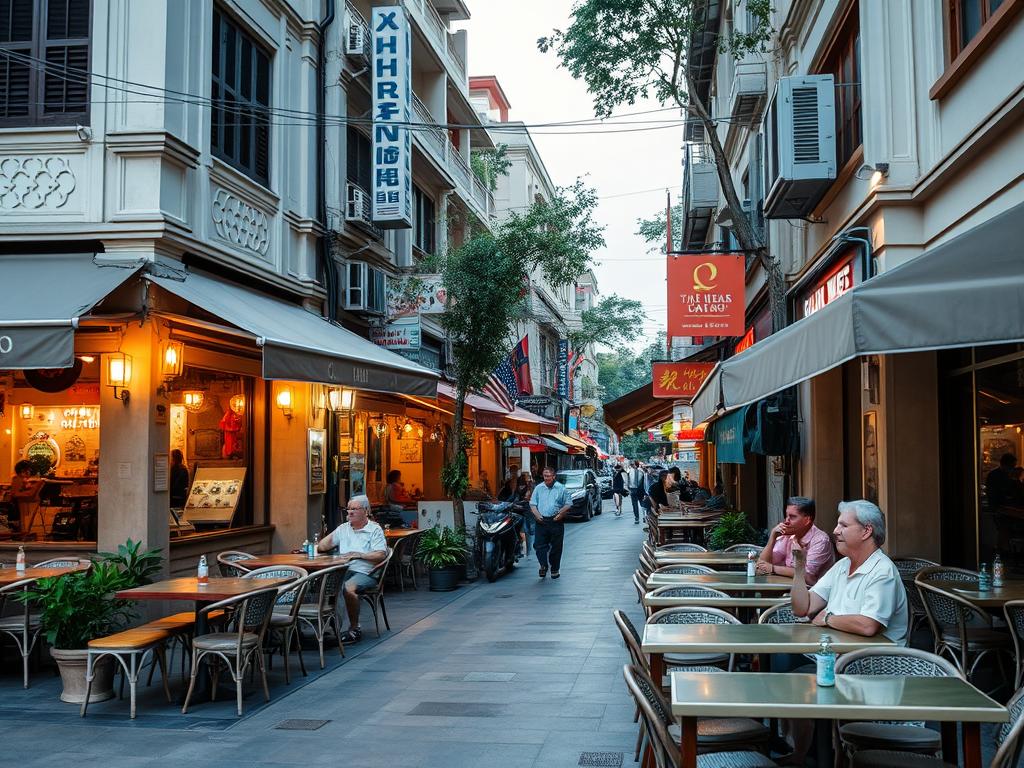
Picking the Right City for Your Budget
Location impacts your costs dramatically. Consider these budget alternatives:
Instead of Bangkok
- Chiang Mai (40-50% cheaper)
- Pattaya (slightly cheaper)
- Hua Hin (30% cheaper)
Instead of Manila
- Cebu (20-30% cheaper)
- Davao (30-40% cheaper)
- Dumaguete (50% cheaper)
Using Travel Apps to Save Money
Apps are a cost-effective way to find activities:
- Invest in yearly memberships for deep discounts
- Use app networking to find group discounts
- Schedule daytime meetups over coffee
- Be selective with plans to keep costs down
- Use free tiers before upgrading
Save with Annual App Subscriptions
Get up to 60% off with long-term passes.
Hostel Hacks and Social Tips
Accommodations consume the biggest part of your budget. Use these to save:
Accommodation Savings
- Book monthly rates for massive savings
- Use hostels for social perks
- Check visitor policies early
- Stay outside prime tourist streets
- Use booking site loyalty programs
- Check Airbnb/Hostelworld for long-term rates
Hidden Costs and Mistakes to Avoid
Even seasoned backpackers run into unexpected costs. Being aware helps you keep your budget intact.

Traps and Overpaying
Watch out for these common travel pitfalls:
Common Traps to Avoid
- Inflated menu prices for tourists
- Unnecessary extra service fees
- Avoid “too good to be true” offers
- Street vendor scams
- Fake tour agencies
Choosing the Wrong Stay
Don’t get stuck in a restrictive spot:
- Some places have restrictive visitor rules
- Security can be overbearing
- Hidden hotel costs
Avoid Accommodation Surprises
Book verified, travel-friendly spots.
Overspending in Nightlife Districts
Nightlife hubs love to charge premiums:
Nightlife Tips
- Research cover charges first
- Set a cash limit for the night
- Settle tabs as you go
- Stay away from overly pushy venues
Final Thoughts
Traveling in Southeast Asia offers young people epic adventures and unforgettable memories. While costs are key, they are just one part of a great gap year or trip.

Related Posts
- How to Dress to Attract Younger Women as an Older Man
- Internet Dating Site For Younger Women
- Best Things to Do in Da Nang for Older Men Dating Younger Women (2025)
- Angeles City Dating Guide for Older Men (2025)
- Family Expectations in Cambodian Dating and Age Gap Relationships
- Best Guest Friendly Hotels in Phuket for Older Men Dating Younger Women (2025)
- ThaiFriendly Review (2025): The Best Dating App for Meeting Younger Thai Women?
- Why Cambodian Women Like Older Men: Age Gap Dating Insights