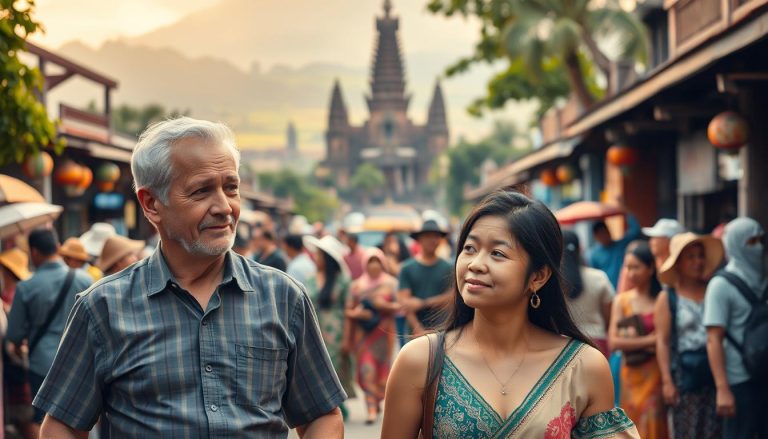
Exploring across Southeast Asian cultures presents unique adventures and opportunities, especially when it comes to the Vietnamese social scene. For young travelers interested in meeting people in Vietnam, understanding the cultural nuances, traditional values, and modern influences is essential for building memorable connections. This comprehensive guide explores the intricacies of Vietnam social culture for young travelers, from family dynamics to generational shifts, providing you with the knowledge to navigate this rewarding yet complex travel landscape with respect and confidence.
Confucian Values and Family Dynamics in Vietnamese Social Culture
Family approval plays a crucial role in Vietnamese social life
At the heart of Vietnamese social culture lies a deep respect for Confucian principles that have shaped social interactions for centuries. These values emphasize hierarchy, family harmony, and collective well-being over individual desires. Understanding these foundational elements provides crucial context for any young traveler interested in meeting locals.
Filial Piety and Its Impact on Socializing
Filial piety (hiếu) remains one of the most influential values in Vietnamese society. This concept extends beyond simple respect for parents—it represents an obligation to honor, obey, and care for one’s family, particularly elders. For young Vietnamese people, this often means that family approval of their social circle or new friends isn’t just preferred—it’s essential.
When hanging out with new Vietnamese friends, recognize that their family’s opinion will significantly influence their decisions. Unlike Western socializing where peers might not involve parents at all, Vietnamese friendships often involve family awareness much earlier. This isn’t about controlling behavior but reflects the collective nature of decision-making in Vietnamese culture.
“In Vietnam, you don’t just hang out with the person—you respect their entire family context. Their approval can make or break your ability to keep plans, regardless of how much you get along with your new friend.”
Family Honor and Reputation
Family honor (danh dự gia đình) carries tremendous weight in Vietnamese society. An individual’s behavior reflects not just on themselves but on their entire family. This explains why many Vietnamese youths may appear reserved or cautious in the early stages of a new friendship, especially in public settings.
For young expat travelers meeting locals, understanding this concept means recognizing why your friends might be concerned about loud public behavior or why they value discretion. It’s not about being boring but about maintaining family reputation and following deeply ingrained social norms.
Cultural Tip: When visiting a Vietnamese home for the first time, bringing thoughtful gifts is customary. Fruit baskets, quality tea, or imported items are appropriate choices. Avoid giving handkerchiefs, knives, or clocks as these can have negative connotations in Vietnamese culture.
Traditional Gender Expectations
Despite modernization, traditional gender roles continue to influence Vietnamese social culture. Men are typically expected to show strength, while women often value nurturing qualities and family management. These expectations aren’t universal—especially in urban areas—but they remain influential in how friendships and social groups develop.
For young Western travelers, this might seem reminiscent of more traditional values from previous generations. However, it’s important not to confuse these cultural patterns with submissiveness. Vietnamese women often hold significant power within family structures and make crucial decisions about family resources and community activities.
Attitudes Toward Young Travelers in Vietnam

Cultural differences are often viewed differently in Vietnamese society compared to Western perspectives
Traveling as a young adult is perceived quite differently in Vietnamese society compared to Western perceptions of gap years. Understanding these perspectives can help you navigate social circles with Vietnamese locals more respectfully and effectively.
Cultural Perceptions of Travel
In Vietnamese society, backpacking and gap years aren’t necessarily viewed with the same skepticism often found in cultures that prioritize immediate career climbing. Historically, travel between different regions in Vietnam was common for trade and education, and there is a general respect for those seeking life experience and wisdom.
Today, while younger generations are adopting more progressive global views, there remains a general acceptance of foreign travelers when they’re built on mutual respect and genuine curiosity. This acceptance stems partly from values that associate travel with learning and growth—qualities valued in a peer.
Positive Perceptions
- International travelers are often viewed as knowledgeable and worldly
- Open-mindedness and curiosity are valued qualities
- Willingness to learn about local history suggests reliability
- Perceived potential for cross-cultural friendship
Potential Concerns
- Families may worry about long-term safety
- Cultural and language differences can create misunderstandings
- Different expectations about social etiquette
- Limited understanding of local customs
Economic Considerations and Misconceptions
It’s impossible to discuss attitudes toward young foreign travelers in Vietnam without addressing economic factors. Vietnam has experienced rapid economic development in recent years, but significant income disparities remain between Vietnam and Western countries.
This economic reality has unfortunately led to stereotypes about “budget travel” vs. local reality. While some social interactions may form around shared expenses, it’s both inaccurate and disrespectful to assume this motivation in all cases.
Important Note: Approach Vietnamese social culture with respect and avoid making assumptions about motivations. Most young Vietnamese people interested in meeting foreign travelers are looking for conversation, language exchange, and genuine connection—just like people everywhere.
For young travelers in Vietnam, demonstrating respect for the local culture, showing genuine interest in your friends’ lives and families, and building a friendship based on mutual understanding will help overcome potential skepticism from locals.
Generational Acceptance and Family Approval
Acceptance of foreign travelers often varies by generation. Older family members may be more concerned with safety and appropriate social behavior, while younger relatives might be excited to practice their English or share their favorite local hotspots.
Gaining family approval is particularly important in Vietnamese society. This often means demonstrating your serious intentions to travel, respect for local traditions, and willingness to understand and participate in cultural customs. Small gestures like learning basic Vietnamese phrases or understanding important cultural holidays can make a significant impression.

Meeting the family often involves gift-giving and showing respect for traditions
Urban vs. Rural Social Practices in Vietnam
The travel landscape in Vietnam varies dramatically between bustling cities with unique nightlife experiences like Ho Chi Minh City and Hanoi compared to traditional rural communities. These differences reflect broader social changes and varying degrees of Western influence across the country.

Urban and rural areas in Vietnam present distinctly different social environments
Modern Social Life in Vietnamese Cities
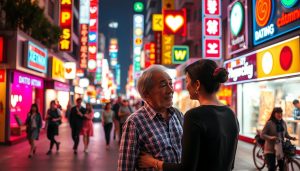
In urban centers like Ho Chi Minh City and Hanoi, social practices have evolved rapidly in recent years. Young professionals and university students often adopt more Westernized approaches to meeting people, with travel apps, coffee shop meetings, and individual choice playing larger roles.
Urban Vietnamese youths typically have more exposure to international media, foreign visitors, and global perspectives. This often translates to greater openness to meeting travelers and more progressive views on social interactions. However, even in cities, traditional values remain influential beneath the surface.
Urban Social Venues: Popular spots for travelers in Vietnamese cities include upscale coffee shops, shopping malls, restaurants, and cultural venues like art galleries or museums. These public settings allow groups to get to know each other while maintaining appropriate boundaries.
For young travelers in urban Vietnam, the atmosphere may feel somewhat familiar to Western scenes, but cultural differences remain important. Public displays of affection are still generally more restrained than in Western countries, and family involvement happens earlier in serious connections.
Traditional Approaches in Rural Communities
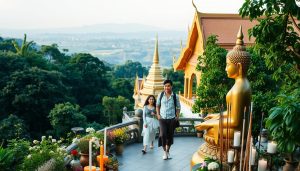
In rural areas and smaller towns, traditional social culture remains much more prevalent. Family introductions, group outings, and community involvement in friendships continue to be the norm rather than the exception.
Rural communities often maintain stronger connections to Confucian values, with greater emphasis on family approval and traditional gender roles. Socializing may be more focused on community cohesion, with less concept of casual, spontaneous “solo traveler” interactions.
“In the countryside, a friendship isn’t just between two people—it’s often observed by the family and involves the entire community’s awareness.”
For travelers interested in meeting people from rural backgrounds, patience and cultural sensitivity are especially important. Building connections may need to happen within the group, and traditional courtship or friendship practices may be expected.
Navigating Regional Differences
Vietnam’s regional diversity extends to social practices as well. Northern Vietnam (around Hanoi) tends to maintain more conservative attitudes, while southern regions (around Ho Chi Minh City) are often more open to Western influences and modern social approaches.
Central Vietnam, with cultural centers like Hue and Da Nang, often blends traditional values with increasing openness. Understanding these regional nuances can help set appropriate expectations when meeting locals from different parts of the country.
| Region | Social Approach | Family Involvement | Public Behavior |
| Northern Vietnam (Hanoi) | More traditional, community-focused | High, early in interaction | Conservative, minimal PDA |
| Southern Vietnam (HCMC) | More modern, Western-influenced | Important but slightly delayed | More relaxed but still modest |
| Central Vietnam | Blend of traditional and modern | Significant, varies by group | Conservative with regional variations |
| Rural Areas (All Regions) | Highly traditional | Central to the social circle | Very conservative, community-aware |
Gender Roles and Building Connections in Vietnamese Culture

Modern Vietnamese social circles often balance traditional roles with contemporary partnerships
Understanding gender expectations in Vietnamese social culture is essential for building successful friendships. While roles are evolving, particularly in urban areas, traditional perspectives continue to influence how social dynamics function.
Traditional Expectations for Guys
In Vietnamese social culture, guys traditionally take on the role of protector and guide. This manifests in several ways that young male travelers should be aware of:
- Financial consideration – Being mindful that social norms may involve the traveler covering expenses in certain group settings
- Initiative – Planning hangouts and guiding the group adventure
- Respect – Being polite toward the families of new friends
- Reliability – Showing maturity and consistent behavior
Expectations for Women and Changing Dynamics
Traditional Vietnamese culture expects women to embody qualities like gentleness, modesty, and family dedication. While many modern Vietnamese women balance these traditional values with contemporary aspirations, understanding these cultural foundations remains important:
Traditional Values
- Family orientation
- Modesty in appearance and behavior
- Respect for elders
- Patience and conflict avoidance
Modern Evolutions
- Educational and career aspirations
- Financial independence
- More assertive communication
- Equal partnership expectations
Younger generations of Vietnamese women, particularly in urban areas, often seek friends that balance traditional values with egalitarian, fun-loving partnerships.

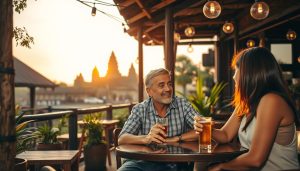
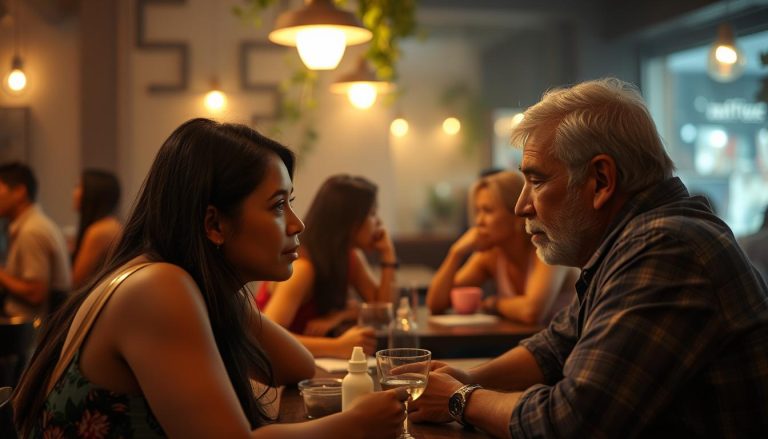
Modern social life in Vietnam often takes place in cafés and restaurants, especially in urban areas
Building Trust and Communication
Successful friendships in Vietnamese culture are built on trust, respect, and effective communication that bridges cultural differences. For young travelers, several approaches can help establish strong foundations:
How can I show respect for Vietnamese cultural values?
Learn about important holidays like Tết (Lunar New Year) and family traditions. Show interest in Vietnamese culture beyond surface-level tourism. Respect family hierarchies and demonstrate willingness to participate in local gatherings.
What communication styles work best?
Vietnamese communication often values harmony and indirect expression. Provide space for indirect communication of needs or concerns. Patience and attentive listening are essential skills.
Practical Travel Tips for Young Travelers in Vietnam

Sharing meals is an important part of making friends and cultural integration in Vietnam
For young travelers navigating Vietnam, practical knowledge can make the difference between awkward misunderstandings and meaningful connections.
Social Etiquette Tips
- Choose appropriate venues – Coffee shops, street food stalls, or cultural attractions are ideal
- Dress appropriately – Keeping it modest shows respect
- Be punctual – It shows reliability and respect for your host’s time
- Be open – Try new foods and embrace the local vibe
Digital Etiquette
With the rise of travel apps and social media, digital communication has become an important part of social culture. Popular messaging apps include Zalo, Facebook Messenger, and WhatsApp. Being responsive and engaged helps build trust.
Traveler Safety: Always use common sense. Meet in public places, stay aware of your surroundings, and verify information through trusted travel forums and your hostel staff.
Embracing Vietnam: Final Thoughts
Traveling across cultures offers unique rewards. Vietnam, with its rich traditions and evolving modern practices, provides opportunities for memorable experiences based on mutual respect and understanding.
For young travelers, success comes from approaching your journey with cultural sensitivity, patience, and genuine interest in the local background. By approaching your trip with respect, you create opportunities for meaningful connections that bridge cultural differences.
Ready to Connect with Fellow Travelers?
Discover memorable adventures and meet locals and travelers alike who share your love for exploration. Our guide helps you navigate Vietnam with confidence.